Author: heartp
-

Drawing and Painting Fundamentals Every Beginner Should Learn
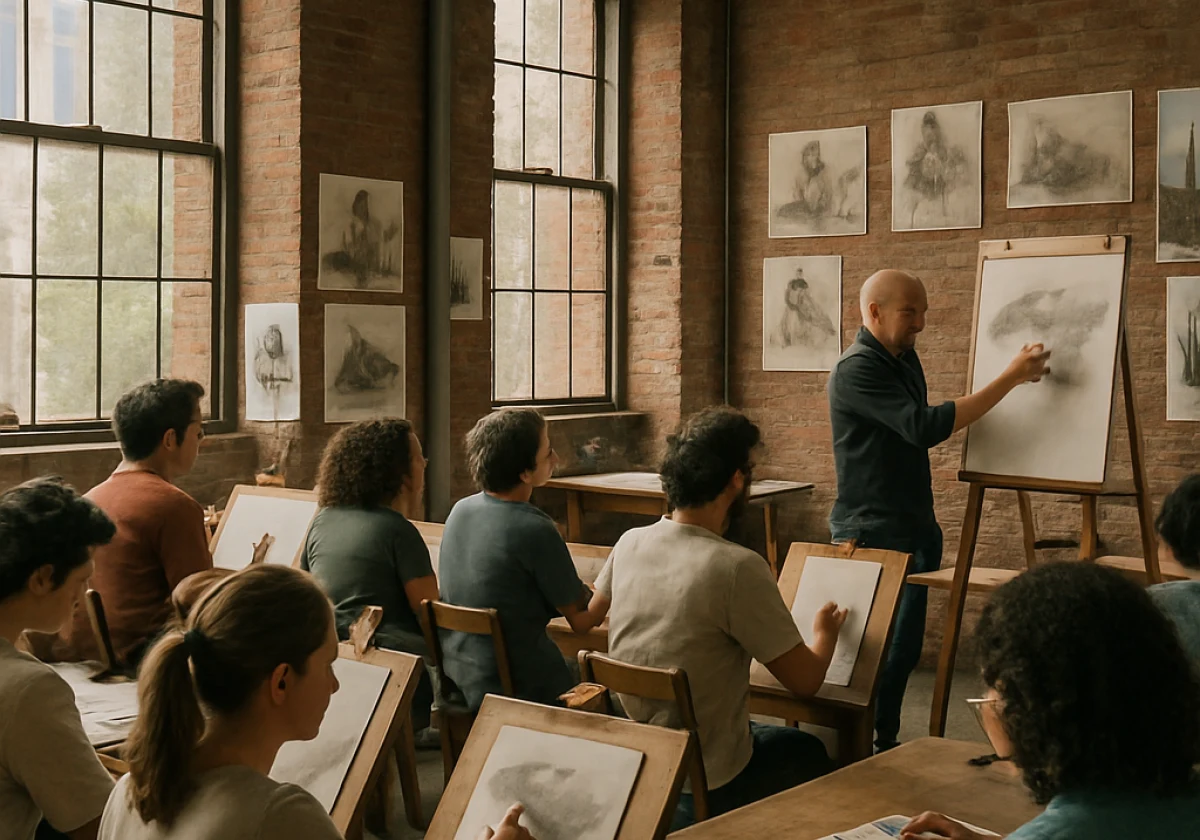
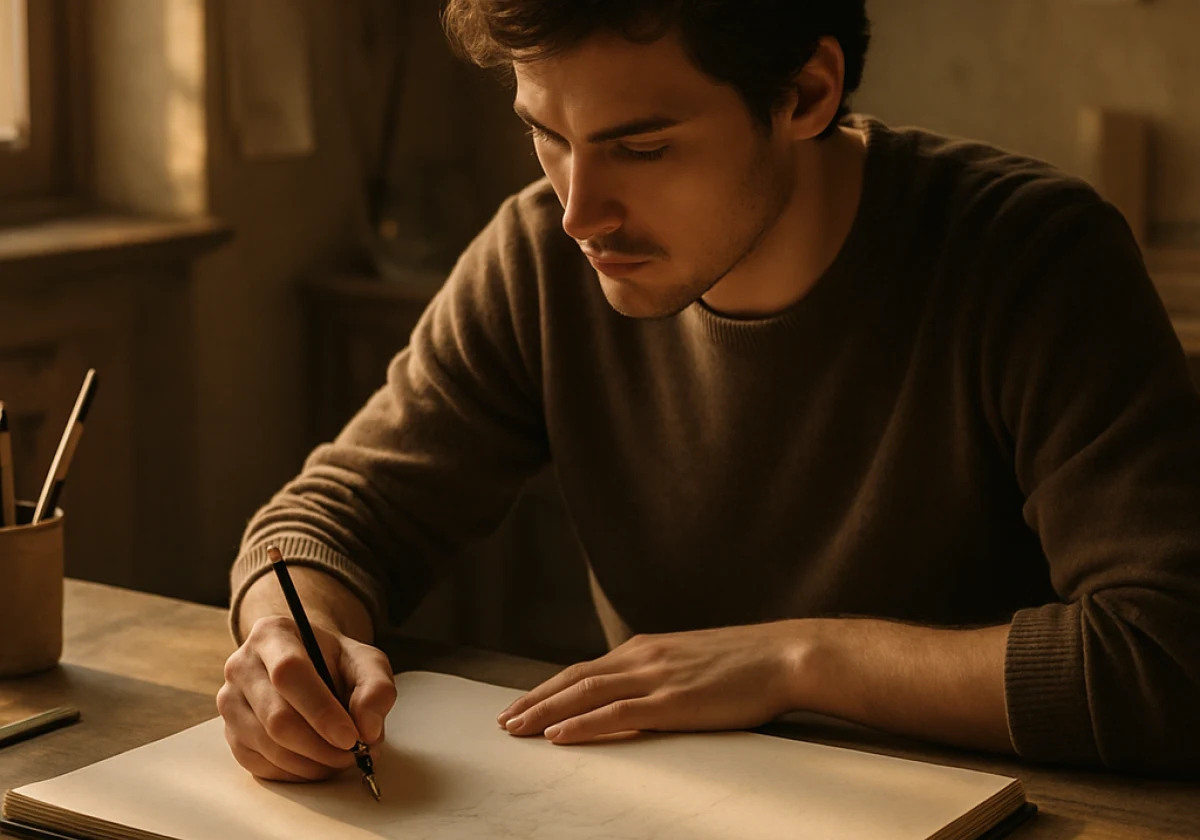
Learning to draw and paint starts with five fundamentals: line, shape, value, color mixing, and composition. These artistic skills carry into every medium you’ll use, from a charcoal sketch to a stretched canvas. Most people skip past them because basics feel slow next to a finished picture. However, we’ve seen the difference they make at…
-
Exploring 3D Design and Photography Through Art Education
Art education programs that pair 3D design courses with photography classes teach you two crafts at once. You learn to build digital models, and you learn to capture a strong image. Those habits feed each other, since camera work teaches you about lighting and composition, which you can apply when creating 3D renders. However, learning…
-
How Art Classes Encourage Children to Think Creatively
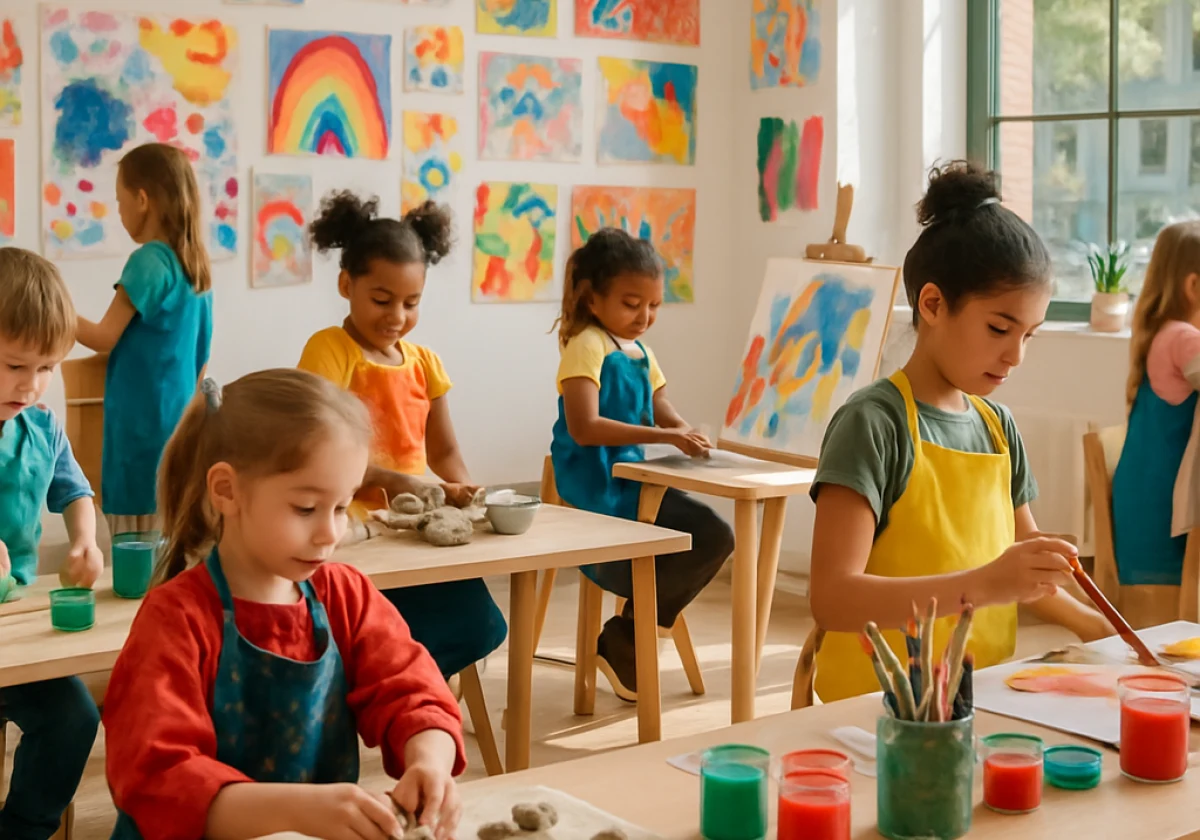
Art classes for children build creative thinking through open-ended projects, new materials, and the freedom to solve problems their own way. A blank sheet of paper becomes a choice about color and shape, instead of an assignment to copy. Most school activities ask kids to find one correct answer, check it, and move to the…
-
Stop Throwing Away the Bad Sketches: How to Build an Art Progress Archive
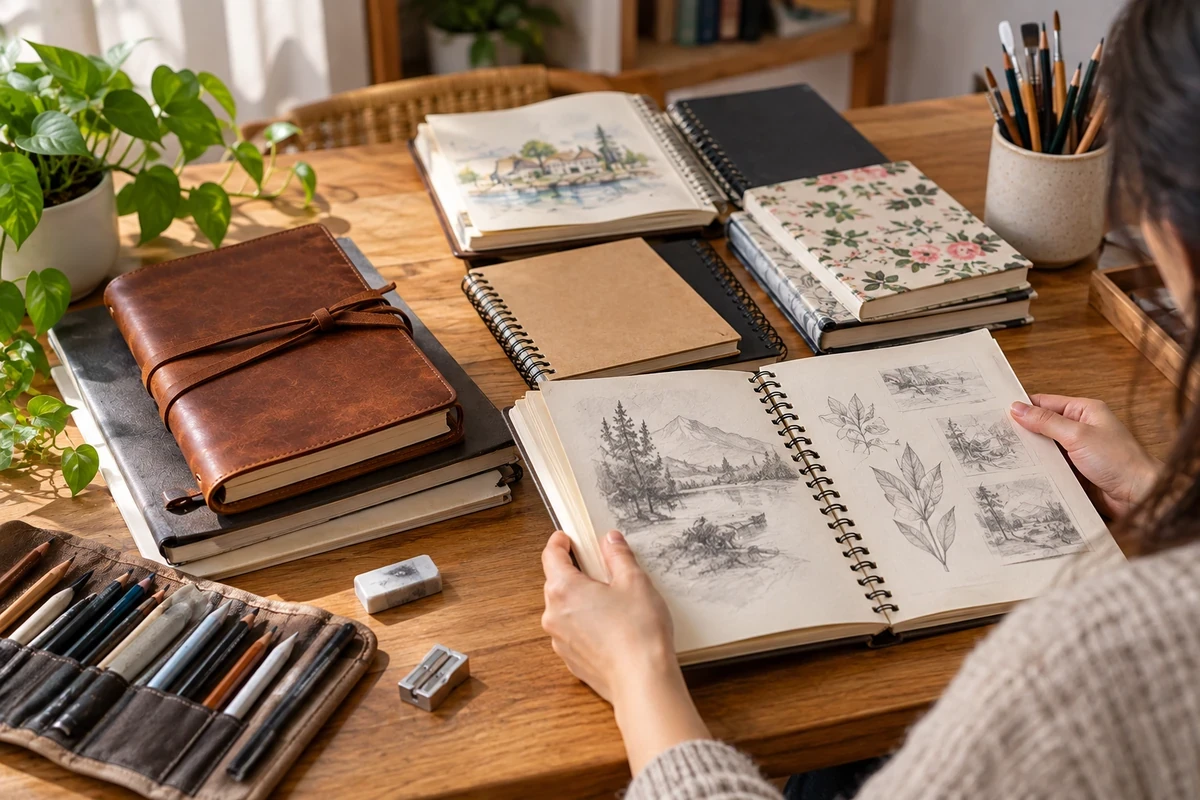
That wonky-armed figure drawing you want to throw away? Photograph it first. Artists judge a page by the end result, so the awkward ones go straight in the trash. But keeping your bad sketches is how you build an art progress archive, a dated collection that shows exactly how your skills have changed. At The…
-
The Five-Minute Observation Drill: Train Your Eyes Before You Train Your Hands
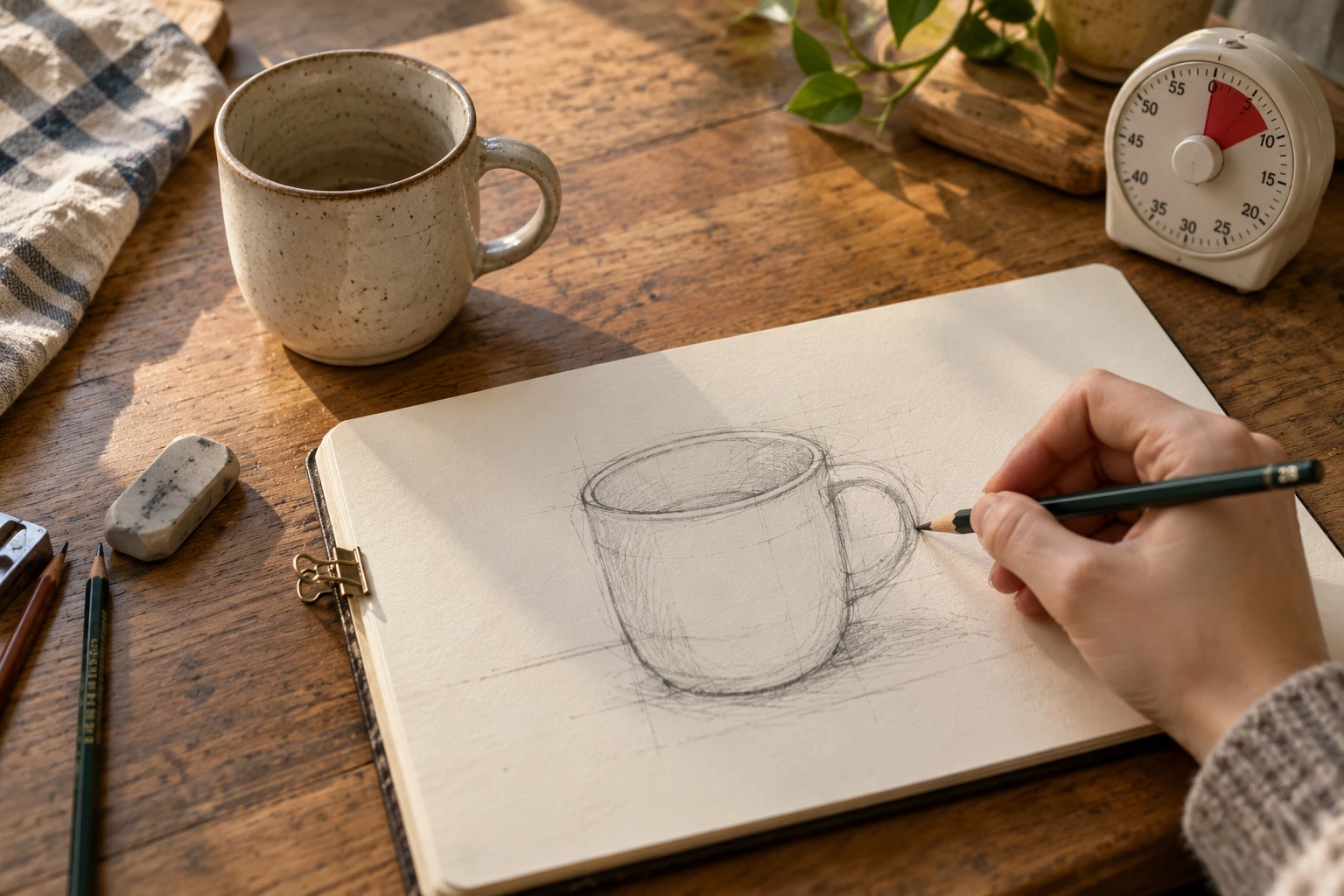
A five-minute observation drill can help you draw more accurately before you put a single line on the page. But most beginners do the opposite. They start sketching immediately, then try to fix proportion and placement as the drawing takes shape. By then, one wrong guess might throw off everything around it. The fix doesn’t…
-
The Blank-Page Problem: What to Make When You Want to Create but Have No Idea What to Draw
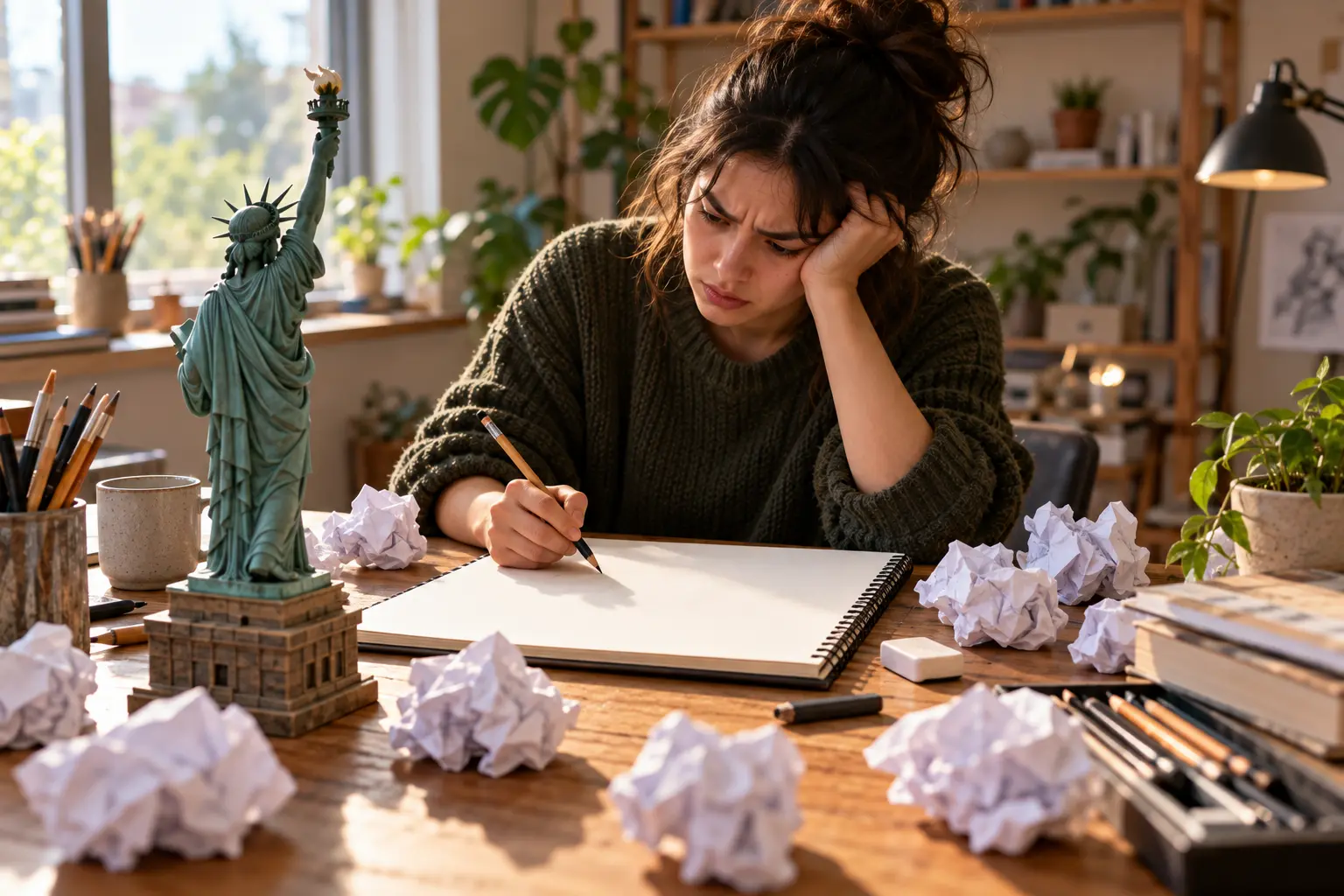
When you have no idea what to draw, start with simple subjects around you, such as everyday objects, basic shapes, or anything within reach. Many beginners get stuck because they believe they need a perfect idea or a special subject to create something good. In moments like these, many artists blame their skills, when in…
-
Why Your Art Looks Different on Camera: A Beginners Guide to Photographing Your Own Work
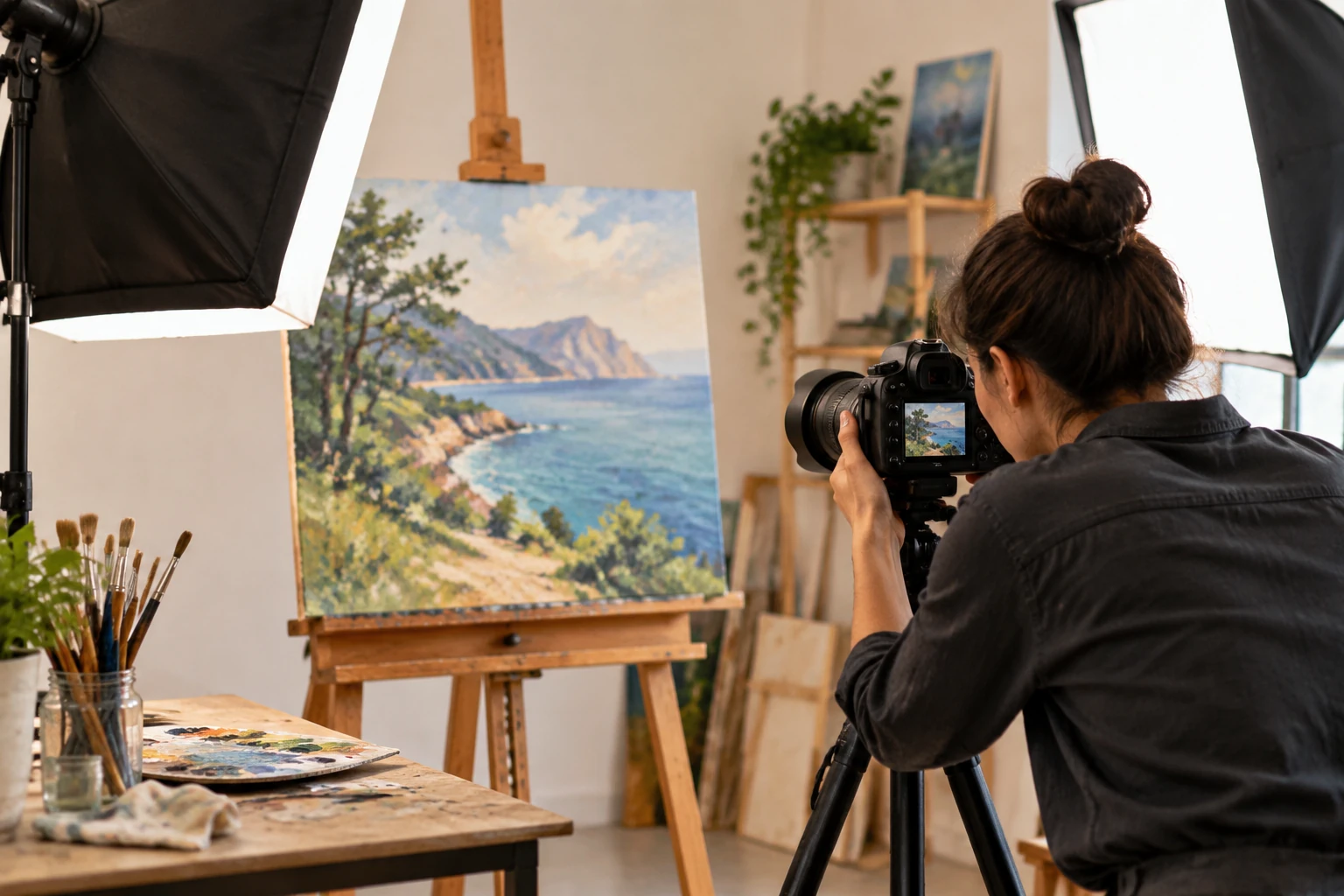
Your art looks different on camera because light, white balance, and lens distortion shift colors your eyes miss. For that reason, a warm ochre you mixed by hand can land on screen as a flat, muddy brown. Most artists blame the paint or the phone first, but the gap sits in how a digital camera…
-
Why Flexible Art Learning Helps Students Continue Creative Practice
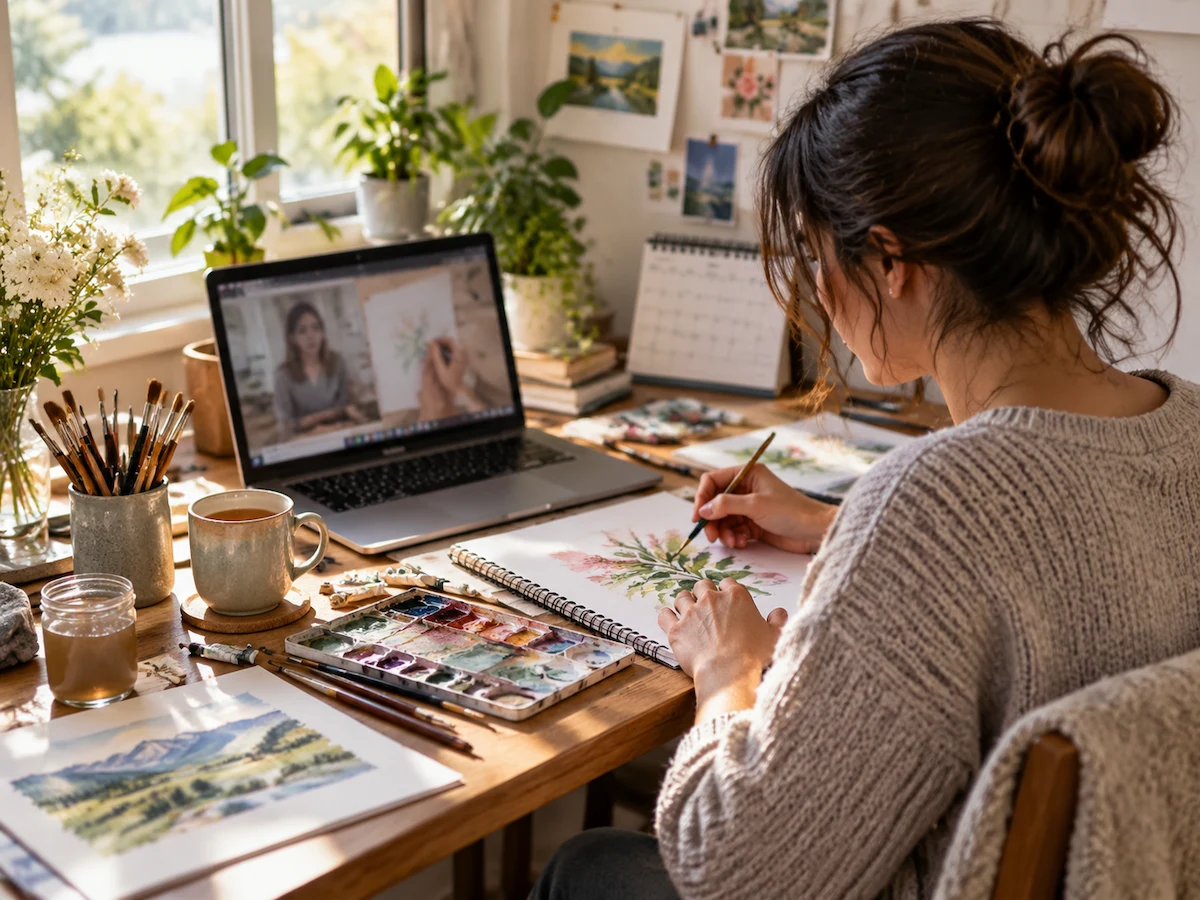
Online art learning helps students keep a creative practice going because lessons can fit around work, study, family commitments, and their preferred learning pace. This flexibility makes it easier to keep drawing and painting consistently after the first few weeks. However, most programs still ask you to sit in a fixed room at a fixed…
-
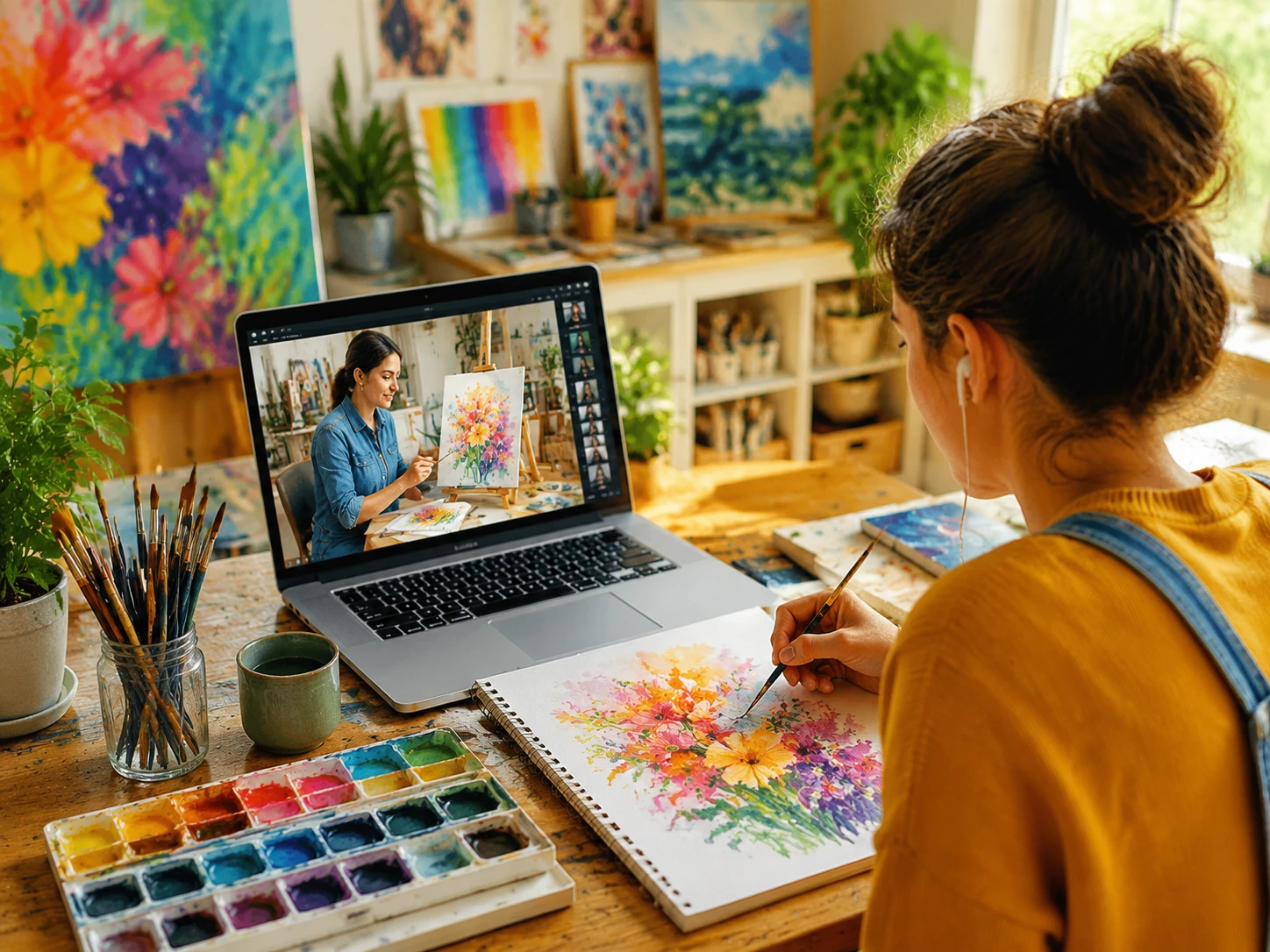
From Sketchbook to Screen: How Online Art Education Has Changed Creative Learning
Welcome to our guide on online art education and how it has changed the way people learn to create. Over the last decade, virtual art classes have expanded into a popular path. The opportunities they create for students across the world continue to expand. Our team at The Heart Project works with adult beginners and…
-
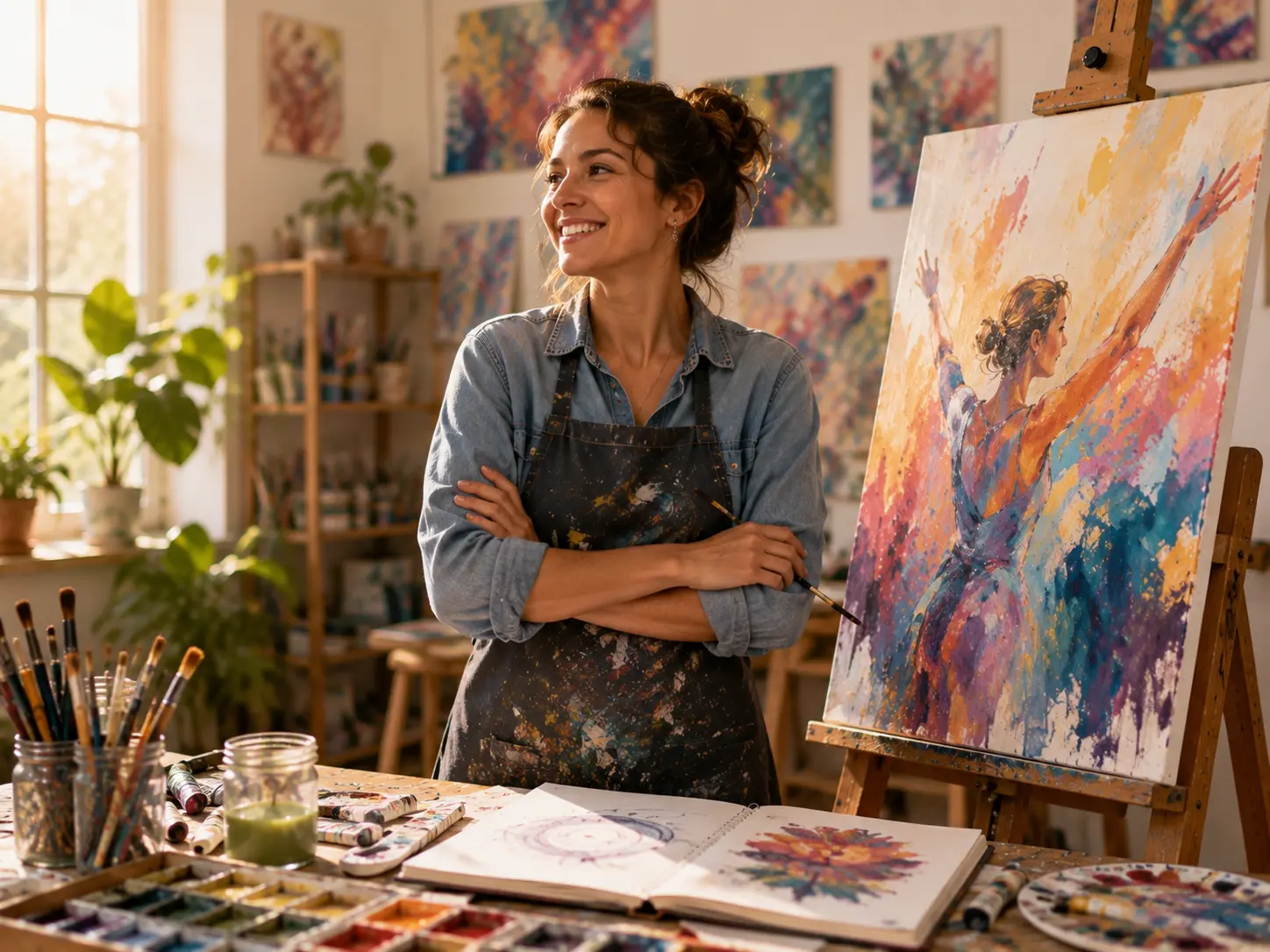
The Role of Art in Building Confidence and Self-Expression
Art has a way of changing how you see yourself. It’s through small, repeated acts of creation, with mind-changing results. A sketch, an act, or some moments with your creative action can help you start to see yourself clearly. To be frank, most people don’t pick up a paintbrush expecting a confidence boost. But that’s…