Category: Beginner Art
-

Drawing and Painting Fundamentals Every Beginner Should Learn
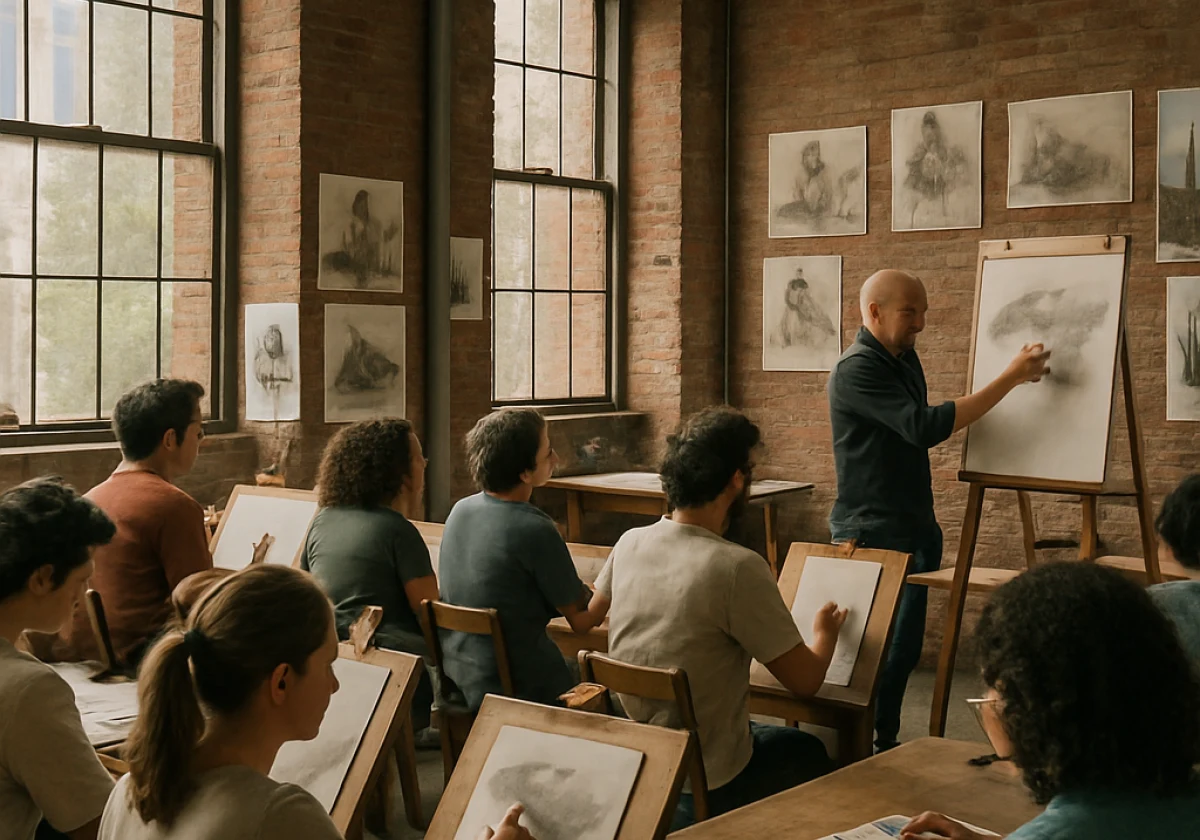
Learning to draw and paint starts with five fundamentals: line, shape, value, color mixing, and composition. These artistic skills carry into every medium you’ll use, from a charcoal sketch to a stretched canvas. Most people skip past them because basics feel slow next to a finished picture. However, we’ve seen the difference they make at…
-
The Five-Minute Observation Drill: Train Your Eyes Before You Train Your Hands
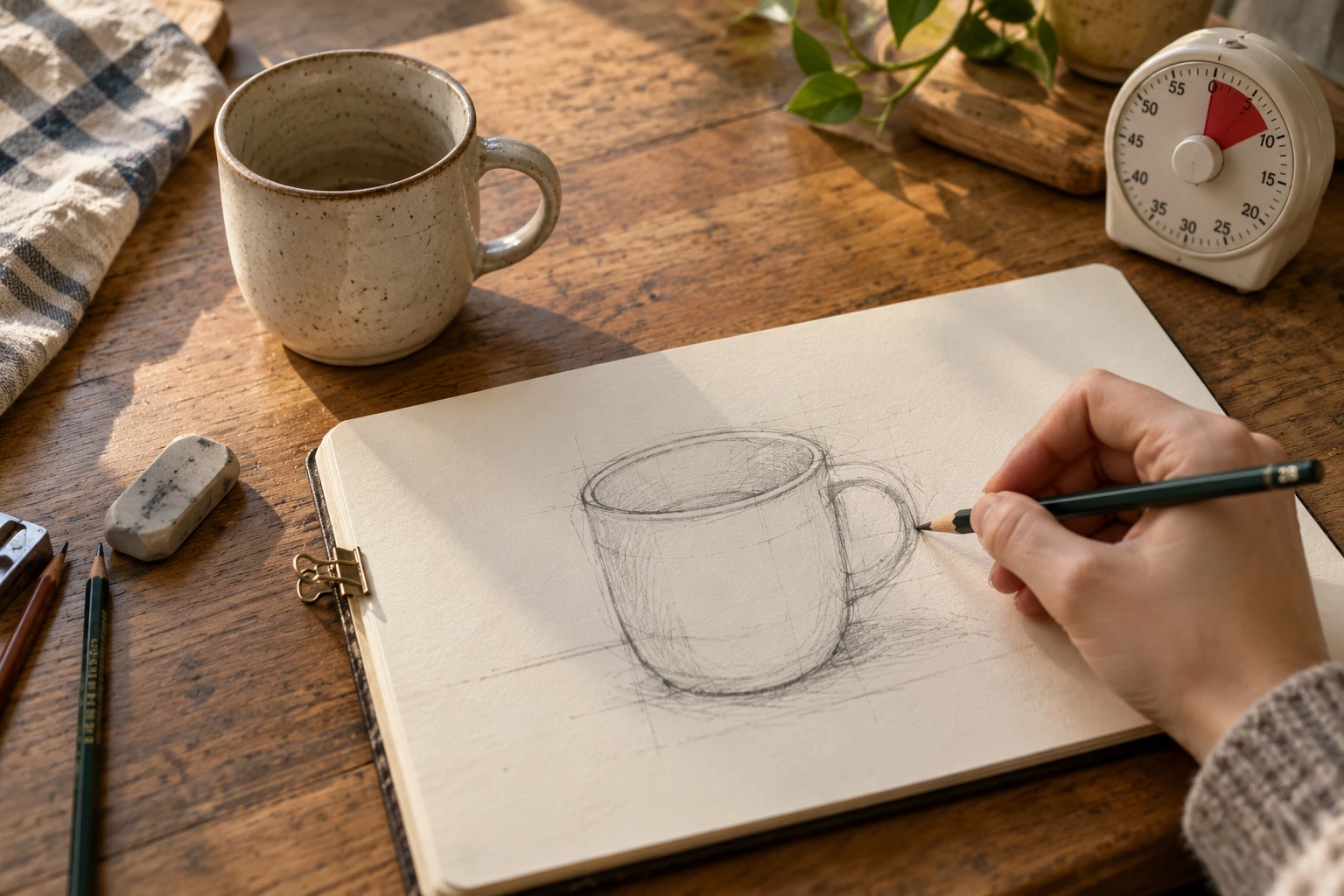
A five-minute observation drill can help you draw more accurately before you put a single line on the page. But most beginners do the opposite. They start sketching immediately, then try to fix proportion and placement as the drawing takes shape. By then, one wrong guess might throw off everything around it. The fix doesn’t…
-
The Blank-Page Problem: What to Make When You Want to Create but Have No Idea What to Draw
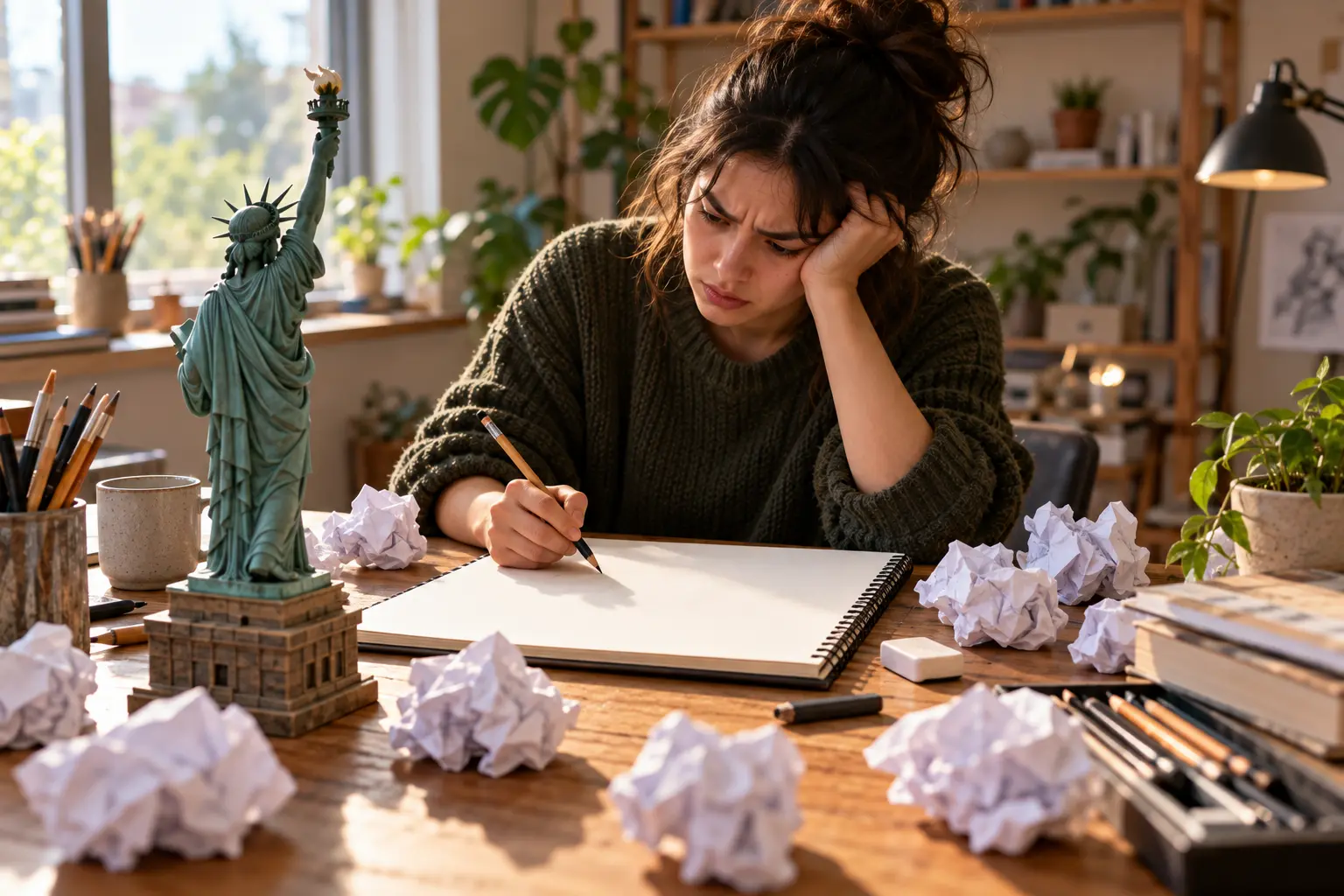
When you have no idea what to draw, start with simple subjects around you, such as everyday objects, basic shapes, or anything within reach. Many beginners get stuck because they believe they need a perfect idea or a special subject to create something good. In moments like these, many artists blame their skills, when in…
-
From Sketchbook to Screen: How Online Art Education Has Changed Creative Learning
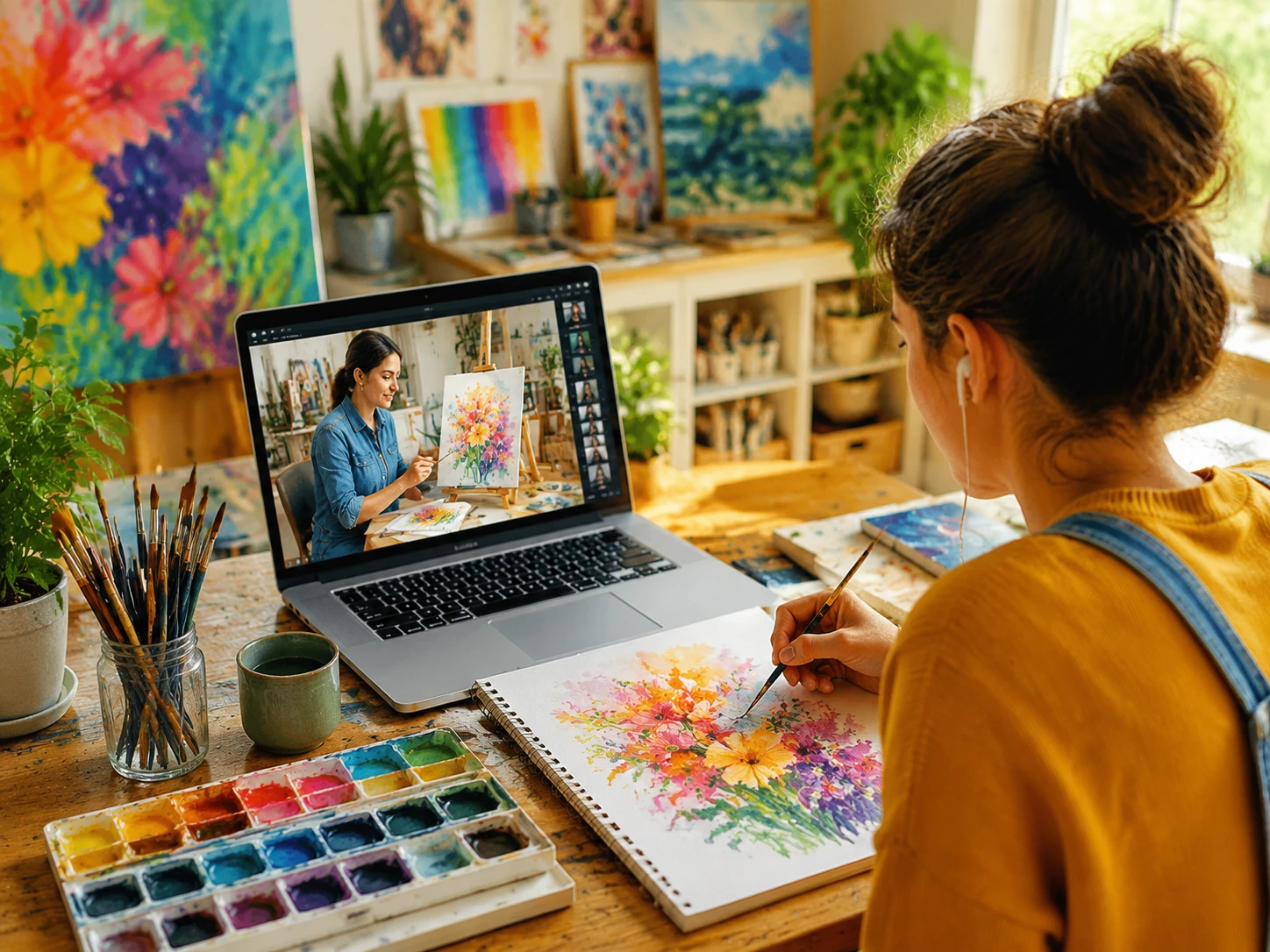
Welcome to our guide on online art education and how it has changed the way people learn to create. Over the last decade, virtual art classes have expanded into a popular path. The opportunities they create for students across the world continue to expand. Our team at The Heart Project works with adult beginners and…
-
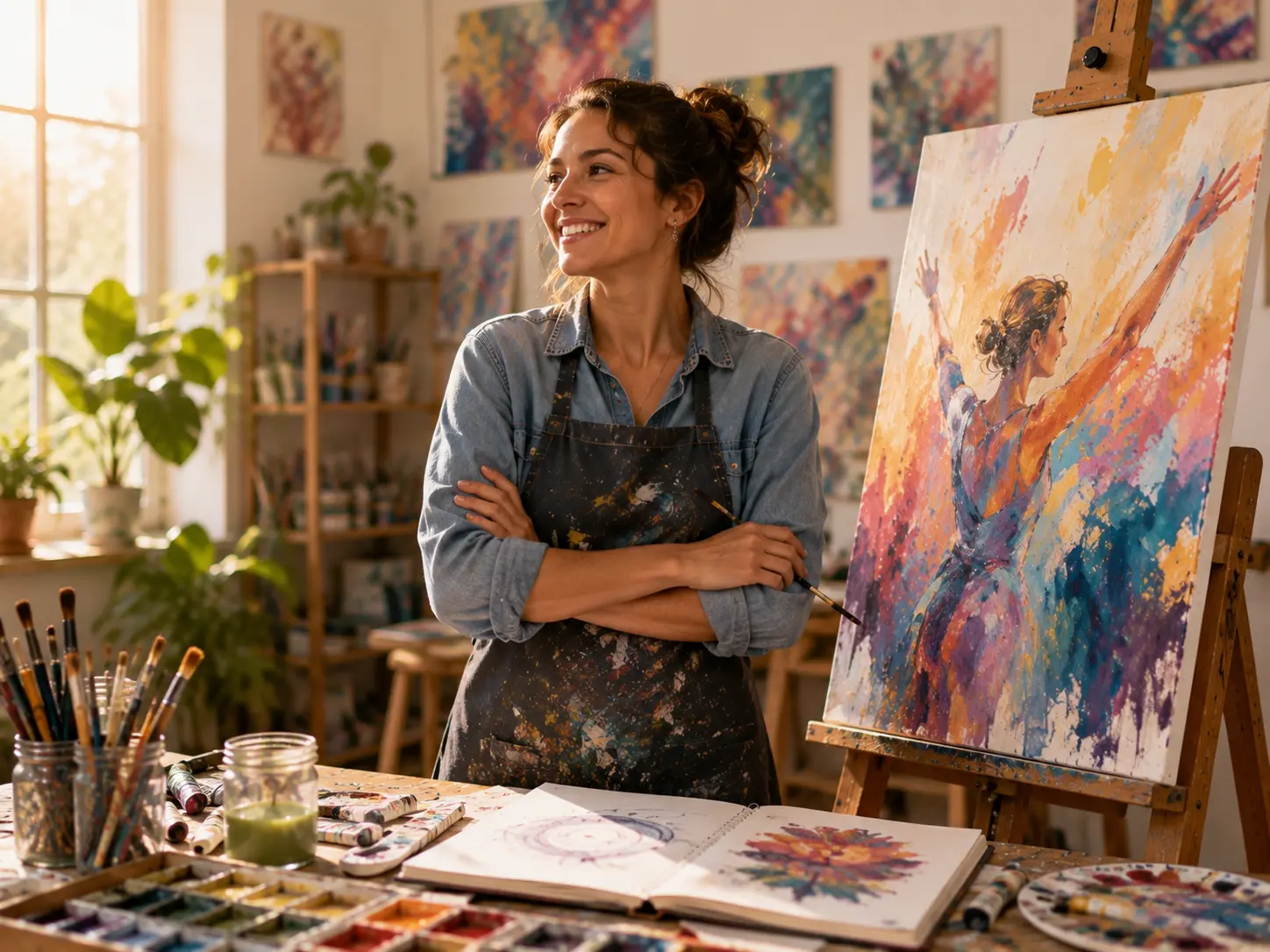
The Role of Art in Building Confidence and Self-Expression
Art has a way of changing how you see yourself. It’s through small, repeated acts of creation, with mind-changing results. A sketch, an act, or some moments with your creative action can help you start to see yourself clearly. To be frank, most people don’t pick up a paintbrush expecting a confidence boost. But that’s…
-
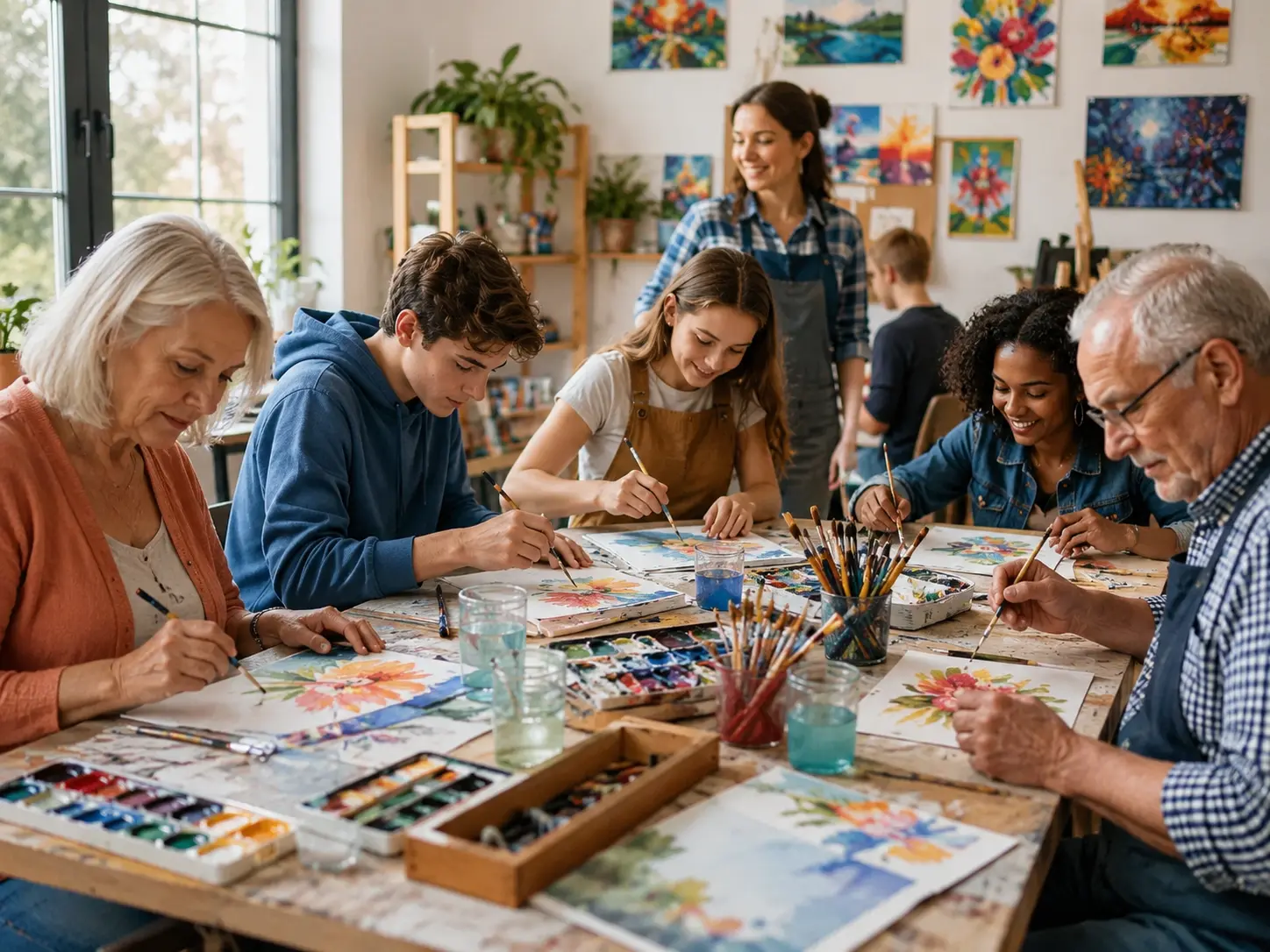
Why Creative Hobbies Improve Learning at Any Age
Your brain treats creative hobbies differently, which makes learning feel easier. Pick any creative outlet, and the research points in the same direction. Art activates parts of the brain that many everyday hobbies barely reach. And the benefits last a lifetime, at 9, 90, and every age in between. Surprisingly, adults who return to creativity…
-
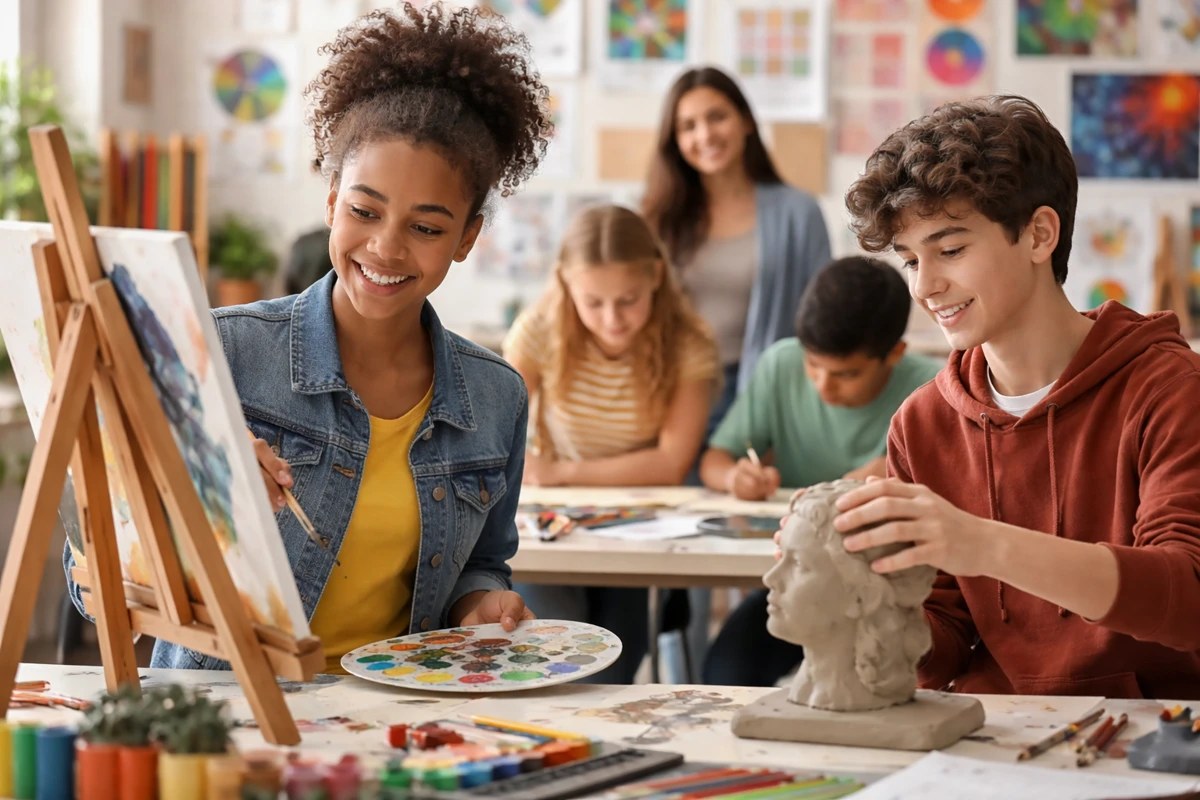
Why Learning Art Builds Confidence in Ways School Never Taught
Art class builds confidence by permitting you to mess up without real consequences, and that entirely changes how you see learning. In fact, a study tracked students aged 14-16 who participated in at least two semester-long art workshops. And these students later achieved higher grades in both language arts and math compared to peers without…
-
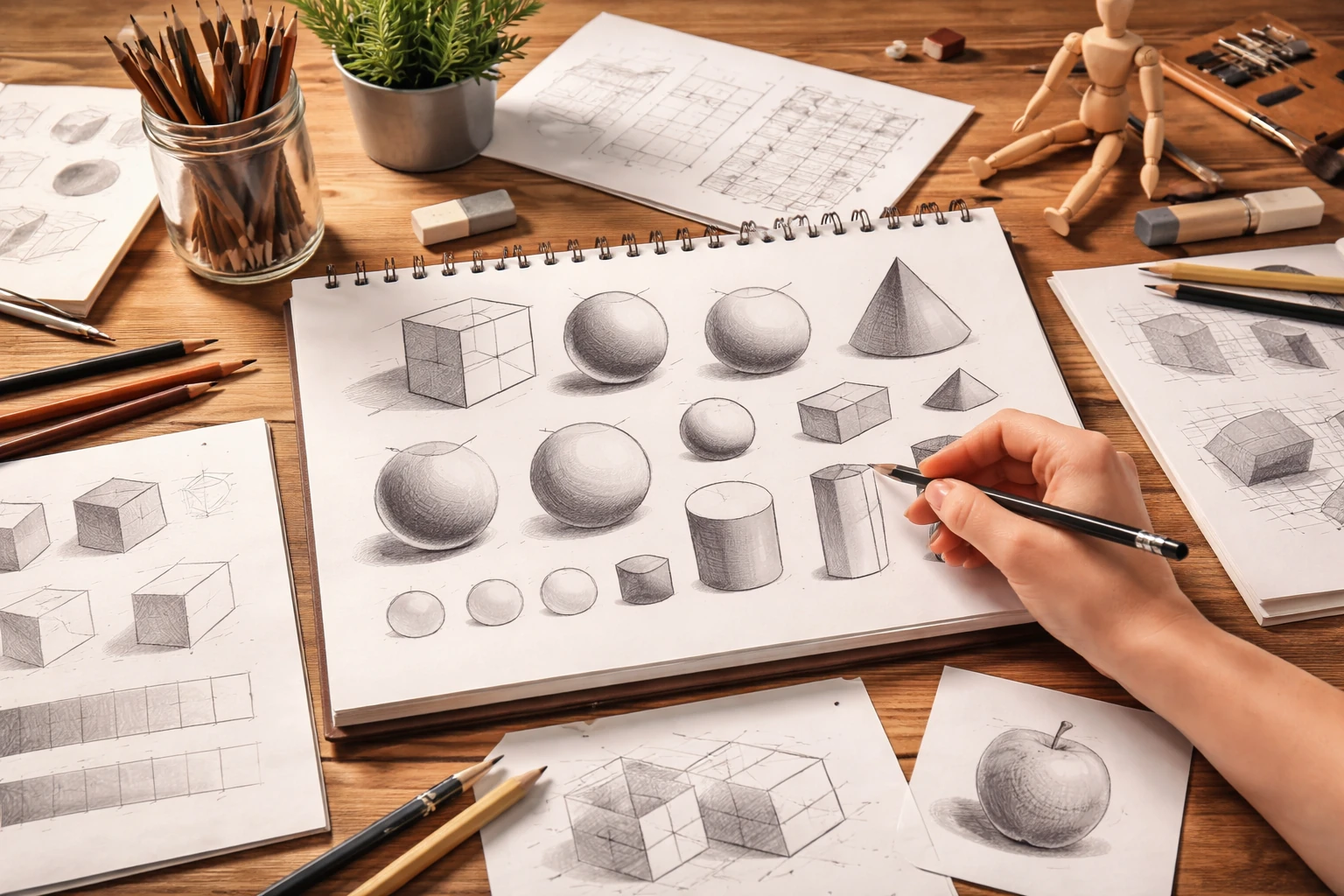
Drawing Fundamentals That Make Every Other Skill Easier
Drawing fundamentals make every other art technique easier to pick up. Because shape recognition, line control, and proportion work help you draw what you see rather than what you think you see. Most aspiring artists skip these basics and go straight to detailed portraits or landscapes. And when their drawings look off, they underestimate their…
-
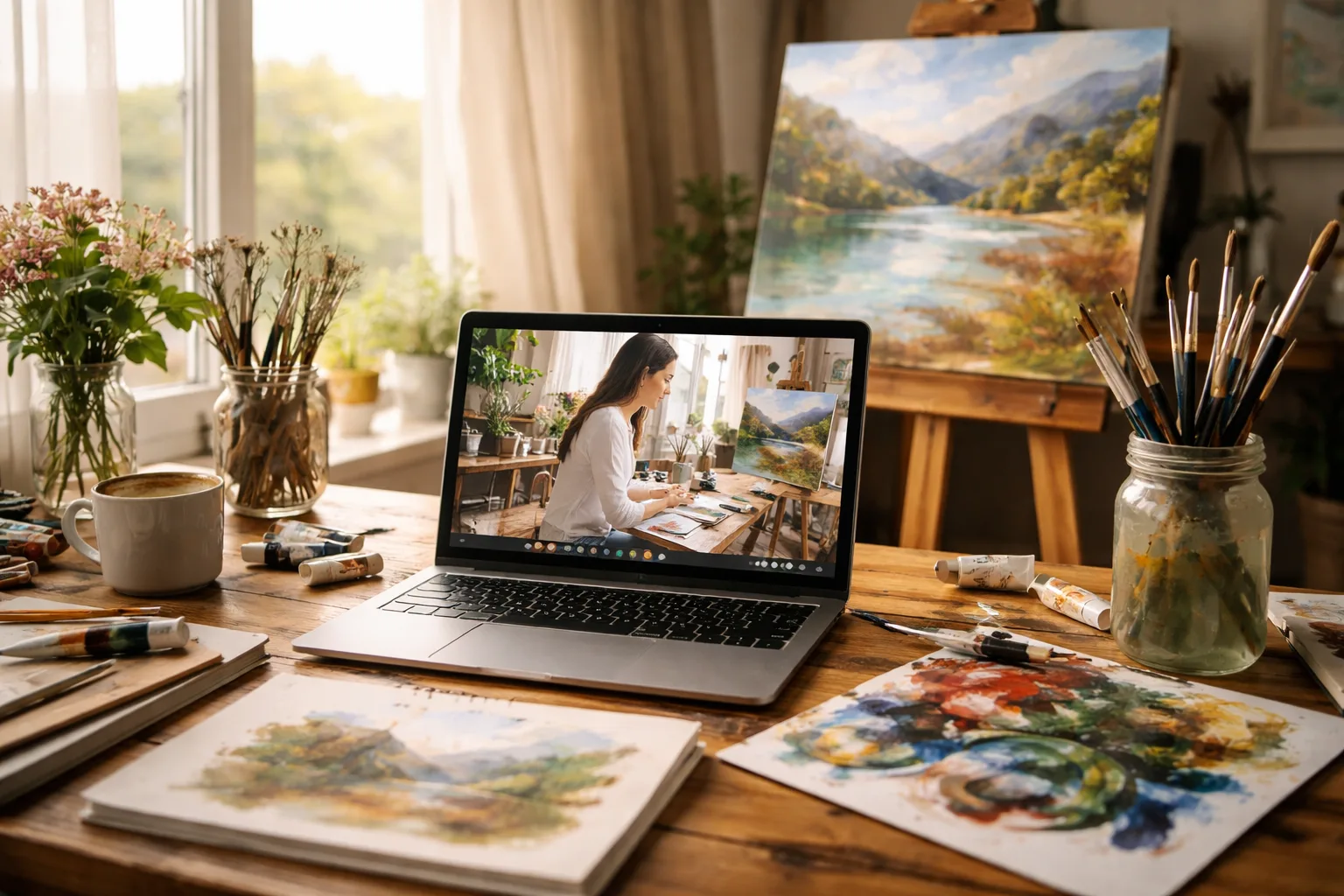
The Online Art Class That Feels Like a Studio, Not a Screen
Can an online art class actually feel like a real studio instead of just staring at a screen? These days, many people sign up for video art lessons hoping to feel inspired and excited about creating. However, many of our students say they ended up watching someone paint without any real interaction, which made them…
-
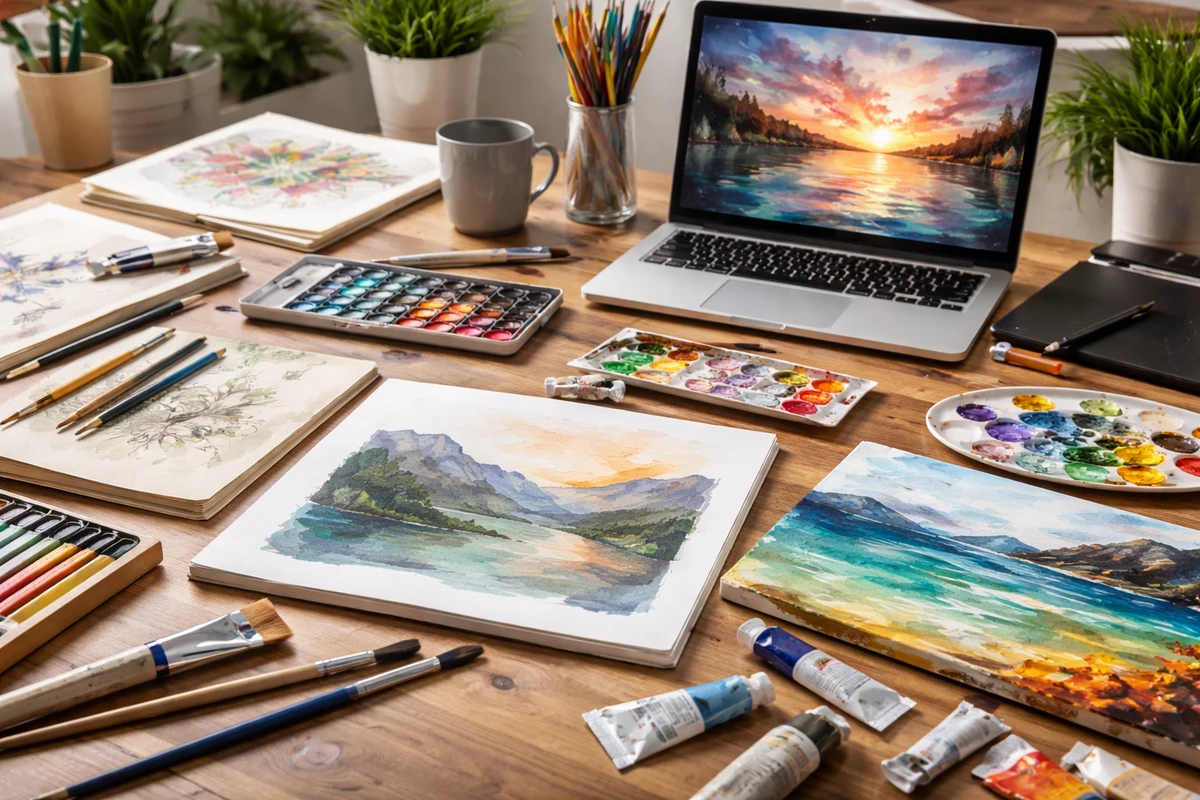
Painting, Photography, 3D Design: Choosing Your Next Creative Medium
Research shows that 85% of teachers who combine creative approaches see their students develop stronger problem-solving skills. And the same principle applies when you explore different art mediums. That’s why adults are picking up creative skills through online courses, especially as the barrier to entry is lower than ever. In fact, you can start painting…