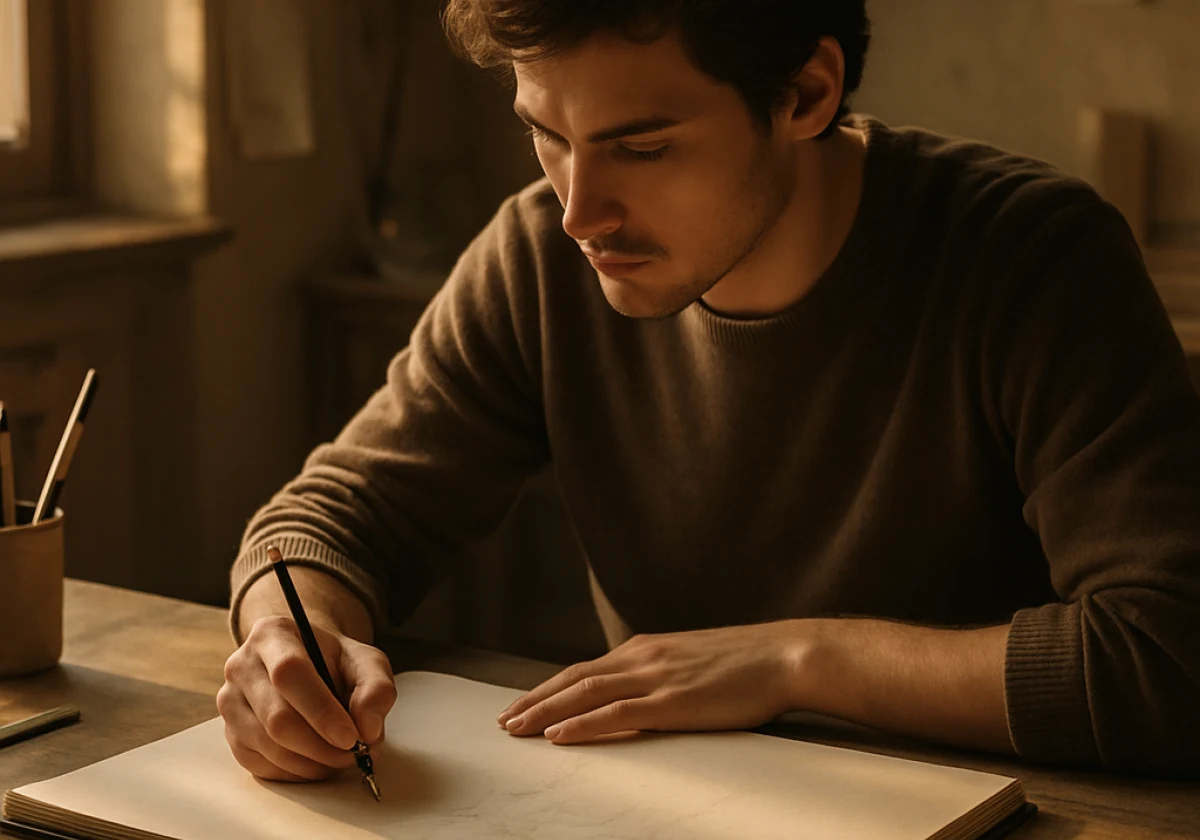
Art education programs that pair 3D design courses with photography classes teach you two crafts at once. You learn to build digital models, and you learn to capture a strong image. Those habits feed each other, since camera work teaches you about lighting and composition, which you can apply when creating 3D renders.
However, learning the software alone won’t develop those creative skills. Plenty of students start strong but stall out because they follow software tutorials without learning the basic design principles behind them.
Here at The Heart Project, we’ve seen students make better progress when they practise technical skills and develop their creative judgment together.
This guide covers what digital art education teaches, how to pick an online course worth paying for, and where these skills lead.
Why Take 3D Design Courses as Part of Art Education?
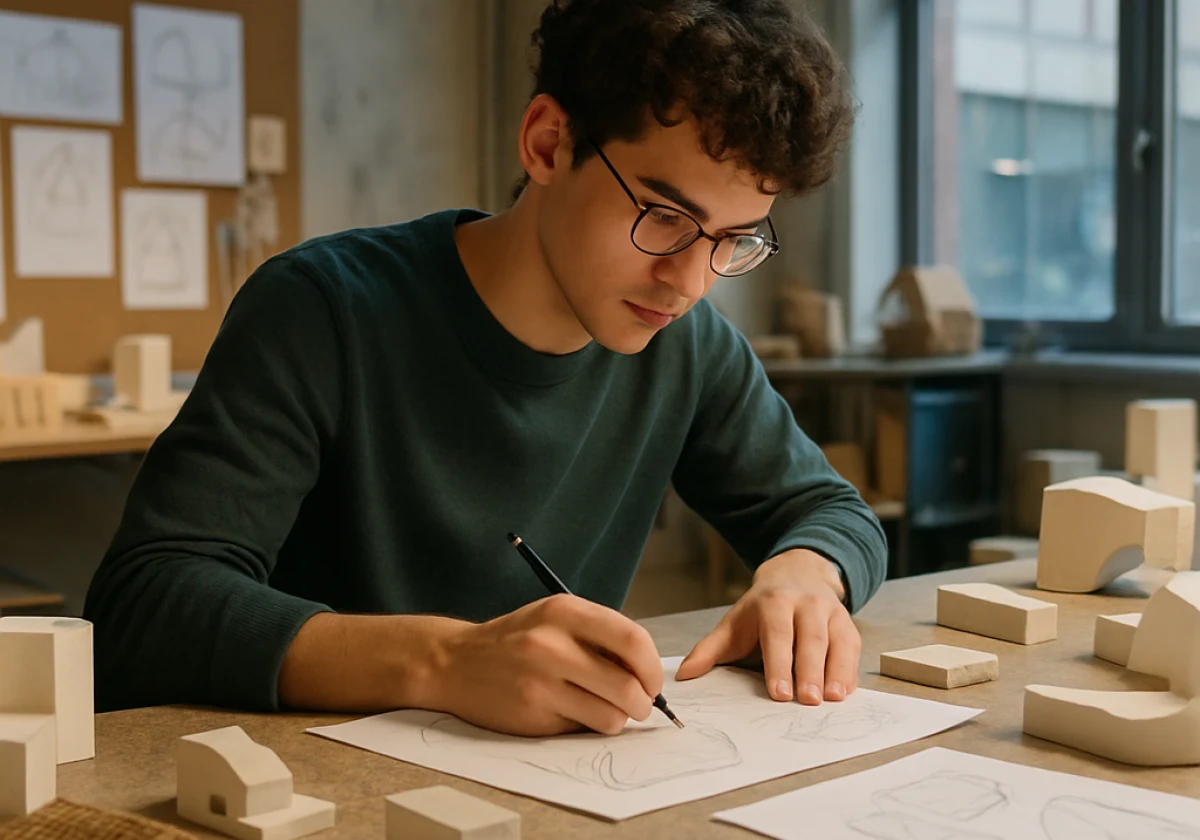
Taking 3D design courses as part of art education builds the modeling, animation, and rendering skills studios want. You learn the full 3D production process rather than just how to use individual software tools. And that experience prepares you to create 3D content for films, games, and product design.
Let’s look at the skills students develop through modelling, software training, and photography.
What You Learn in 3D Modeling and Animation
3D modeling means creating digital objects using specialised software like Blender. You start with simple shapes to build objects such as furniture and game characters, then add materials and textures to make them look realistic.
Once your models are ready, you will learn to animate them using keyframes and physics simulations. For characters, you also need to learn rigging (rigging takes the longest to click). It means adding a digital skeleton to a 3D model so you can control movements like walking, turning the head, and changing facial expressions.
The next steps are lighting and rendering. Lighting controls where shadows fall and how surfaces appear. Rendering then produces the final image or animation and brings those visual details together. Together, these two steps decide whether a finished scene looks flat or real.
Software Skills: From Blender to 3DS Max
Most programs introduce beginners to Blender because it costs nothing. You move toward 3DS Max once you understand basic details like how a viewport and a modifier stack behave.
Our instructors have watched hundreds of students pick up new software more easily once they know the basics. The buttons and menus may change, but many of the tools work in similar ways.
Other programs have different uses. ZBrush lets you sculpt detailed 3D models, while Autodesk Maya is useful for creating and animating characters. So choose the software that matches the job you want.
Worth Noting: If you want to work in engineering or product design, computer-aided design (CAD) software like Autodesk will let you create models with exact measurements.
How Photography Classes Strengthen Your Eye for Design
Photography classes train composition, exposure, and Color Theory. You use these same skills when choosing camera angles, lighting, and colours for a 3D scene.
For example, students who practise photography regularly learn how a single light can change the appearance of a person’s face (hard shadows add drama). They can then use the same lighting techniques when working with 3D models. So, design photography isn’t just a separate subject; the skills you learn behind the camera also improve your 3D work.
That knowledge carries straight into Graphic Design and Video Editing, which is why art schools rarely teach these subjects in separate rooms.
Finding the Right Online Course for Your Creative Goals
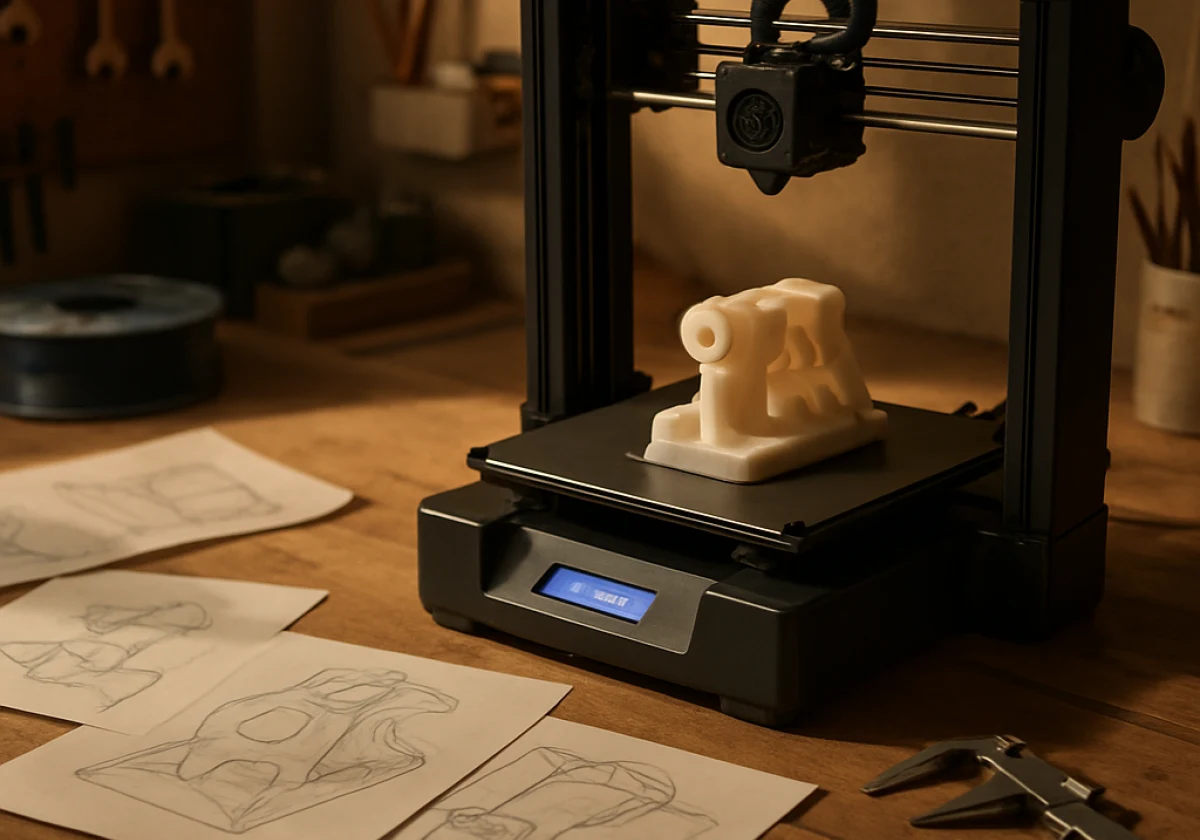
Many beginners choose an online course based on price alone, only to lose interest when the lessons don’t meet their needs. A better way to choose is to check how the course is structured and what you’ll learn or create by the end.
Weigh these four points before you enroll:
- Project-Based Lessons: Finished projects beat watched lectures, so favour a 3D course that lets you create models you can show in your portfolio.
- Free Trial Access: Try a free lesson first to see if the teaching style suits you. Some platforms offer design and data science courses under the same subscription, so be sure to check which courses your payment covers.
- Instructor Credentials: Working artists explain why a tool exists. Hobbyists only explain where the button sits. That’s why you should look for instructors who have worked on real design projects for clients or studios.
- Honest Skill Level: An introduction to 3d class and an advanced rigging track suit very different students. If you’re new to 3D design, start with beginner lessons before moving to harder topics.
The online courses worth your money force you to build something. You can judge their value by checking if the syllabus teaches design techniques beyond software menus and includes a finished project you can show.
From 3D Printing to Game Development: Where These Skills Take You
The benefits of learning 3D printing and game development skills extend to freelance projects and studio jobs. Each path reuses the same core files, just finished in a different way.
This quick map shows where your work ends up.
| Path | What you make | Common tools | First paid work |
|---|---|---|---|
| 3D Printing | Prototypes and spare parts | Fusion 360, Blender | Prototyping assistant |
| Game development | Game assets and level design | Unity, Unreal Engine | Junior 3D artist |
| 3D animation | Characters and motion graphics | Autodesk Maya, Adobe After Effects | Animation studio intern |
| Product design | Furniture and packaging models | Rhino, SolidWorks | Design studio intern |
These career paths can overlap. For example, a game artist may use 3D modelling and animation to create moving characters. So, keep your project files organised and your portfolio focused on your strongest work.
Photography and 3D Design Make a Stronger Pair Than You Think
Now that you know where 3D skills lead, pairing them with photography makes your portfolio stand out.
Reviewers see hundreds of clean 3D renders each month, so another polished render alone may not catch their attention. A portfolio that combines real photographs with digital models gives them something different to look at. It also shows how well you can bring both skills together in one project.
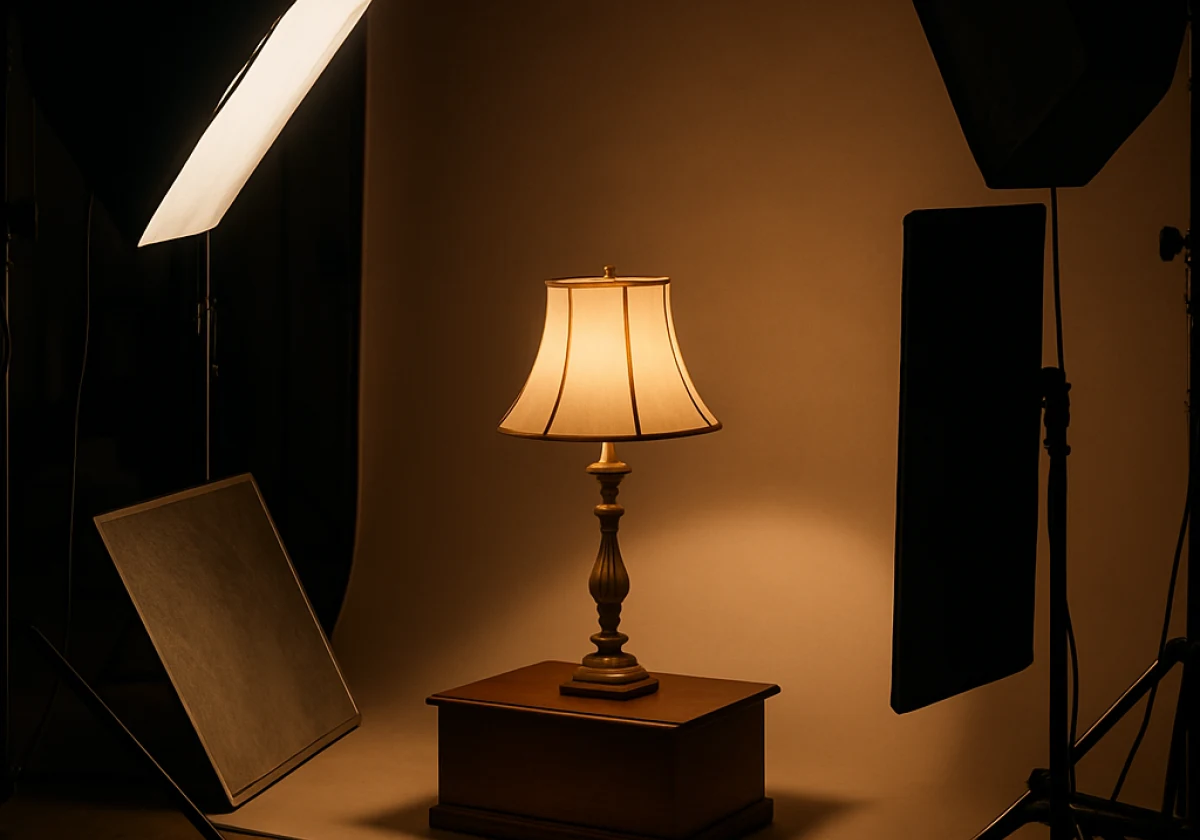
For example, photographers know how to match lighting in a room. You use that same skill when placing a 3D chair inside a kitchen photo, where the shadows must match the surroundings. To practise this, one of our favourite assignments at The Heart Project asks students to photograph a lamp, rebuild it in Blender, and recreate the original shadows.
Once you’ve finished a project like this, you can share the results on social media. A before-and-after post shows how the original photograph became a finished 3D scene (some people may even watch the reveal twice).
Beyond social media, these projects can also show potential employers what you can do. Hiring managers at Los Angeles studios often tell us they shortlist the artist who can shoot, model, and light. After all, one person covering three roles saves a week of scheduling.
Start Building Your Creative Skills Today
Digital art education rewards people who practice both halves of the craft, the technical build and the visual call. If you learn one without the other, the gaps will show up in your first paid job. Strong design skills come from that mix, not from a longer tool list.
Pick a single course this month, finish every assignment, and put the results somewhere public. Steady weekly practice beats a shelf of unfinished tutorials. Digital design knowledge grows the way any learning does, one finished piece at a time.
The Heart Project brings art programs and creative mentorship to young people who want a path into design. Contact us to find a program near you.
Leave a Reply