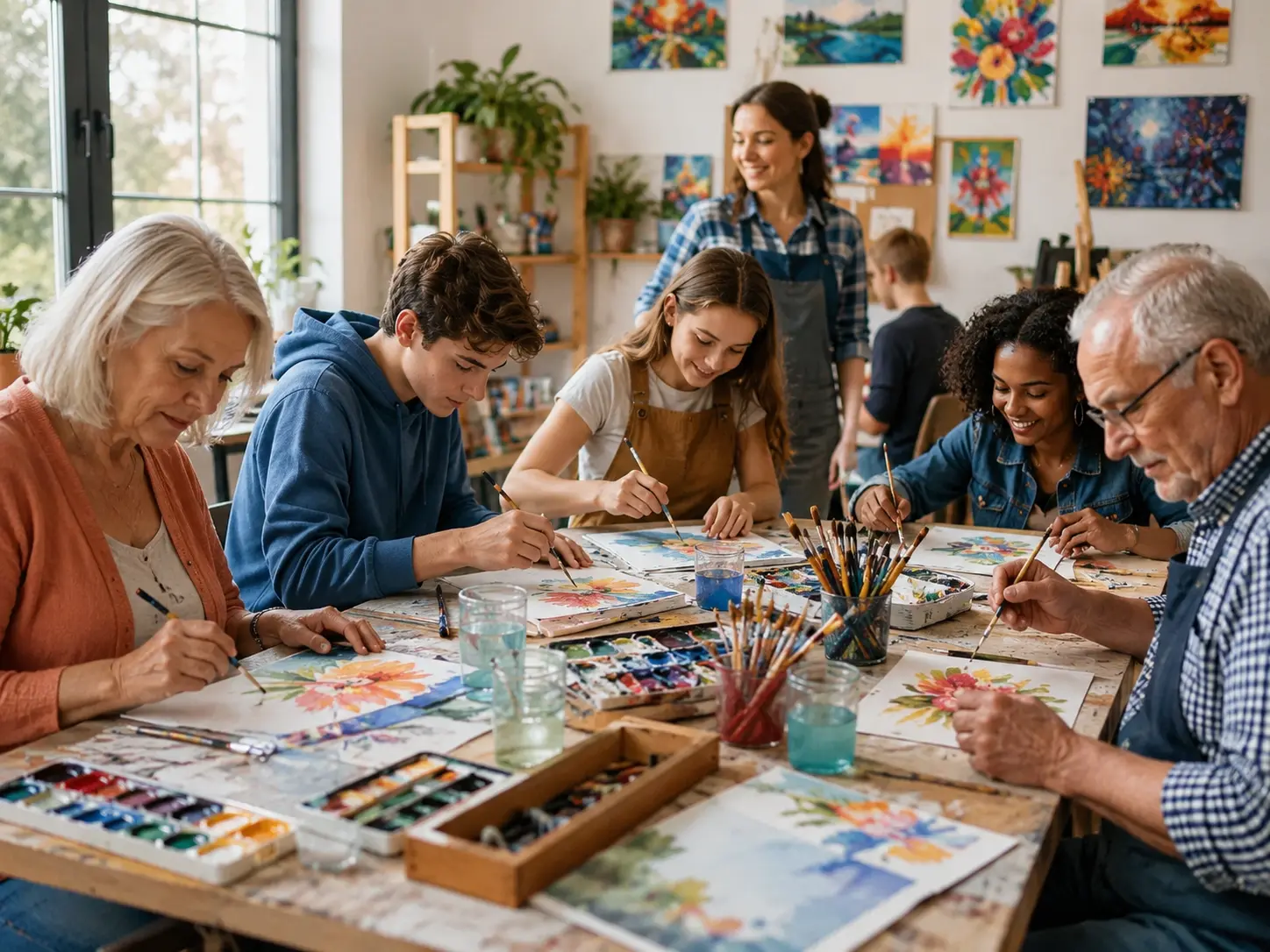
Your brain treats creative hobbies differently, which makes learning feel easier. Pick any creative outlet, and the research points in the same direction. Art activates parts of the brain that many everyday hobbies barely reach. And the benefits last a lifetime, at 9, 90, and every age in between.
Surprisingly, adults who return to creativity after years away often report sharper focus and better memory within just a few weeks. Students who engage regularly with art in school perform better across subjects too.
This article breaks down what the science says and what the benefits of art education look like in practice. It also covers why it’s never too late to start your own creative journey. Stick around, because the brain science alone is worth it.
The Benefits of Art Education Go Further Than the Classroom
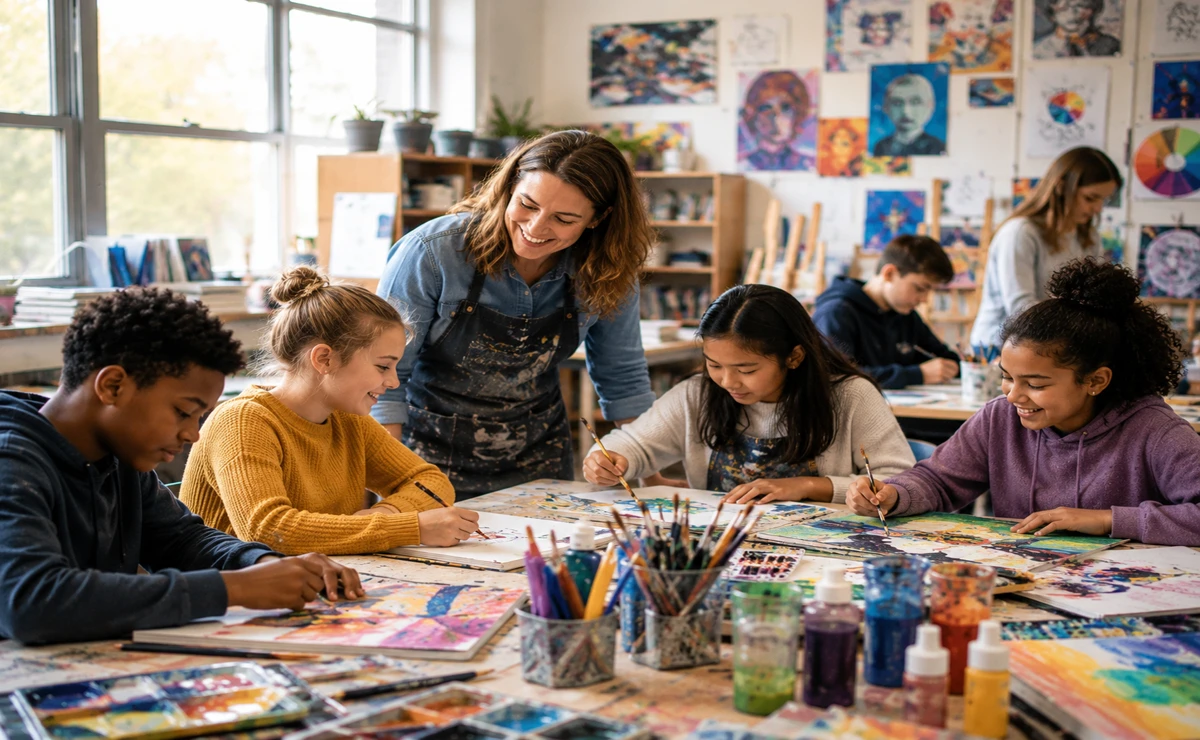
Most people think arts education is mostly about painting or making crafts in school. In fact, students who take art classes regularly do better inside and outside the classroom.
According to the National Endowment for the Arts, students in arts-rich schools had better academic outcomes and higher graduation rates. Schools with a solid arts curriculum simply produce stronger, more well-rounded students. That pattern shows up consistently in the research.
Two areas come up most consistently in what arts education builds: creative thinking skills and critical thinking skills:
1. How Arts Education Builds Creative Thinking Skills
Here’s a connection most individuals never make about art class. Every time you sit down to draw, your brain runs through dozens of possibilities before your hand even moves. That back-and-forth process of trying and adjusting is exactly how creative thinking skills develop.
At The Heart Project, students tell us the same thing again and again. Art practice helped them tackle everyday challenges with noticeably more confidence (not just in the studio, but everywhere).
2. The Link Between Creative Thinking and Critical Thinking Skills
The majority of people don’t expect an art class to sharpen their critical thinking skills. But a painting composition and a tough workplace problem demand the same mental steps. You observe, question your first instinct, and weigh different perspectives before landing on a decision.
Michigan State University research found that arts education students were far more likely to patent inventions or launch businesses. When art teaches you to question and revise your thinking, those habits don’t stay in the classroom. They follow you lifelong.
To conclude, creative thinking and critical thinking aren’t two separate things. In many cases, developing one naturally strengthens the other. And arts education builds both at the same time.
What Happens to Your Brain When You Practice a Creative Hobby?
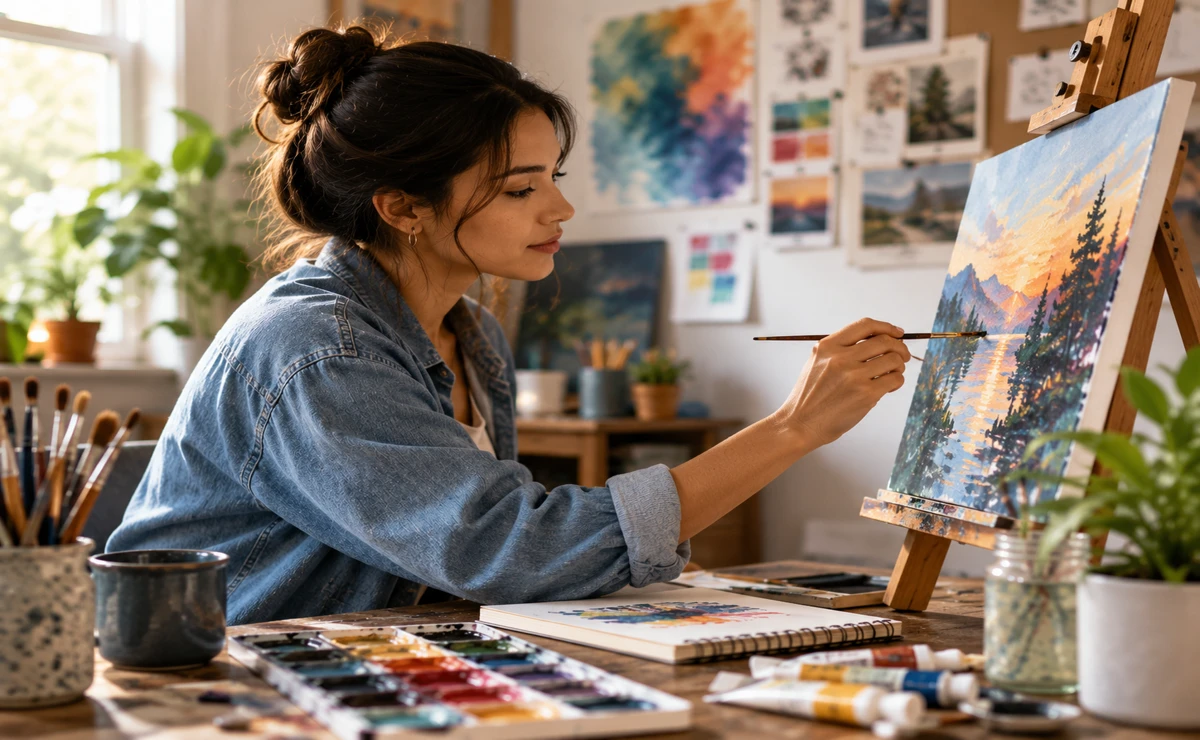
Many of us pick up a creative hobby to relax. But science shows the brain shifts into a different mode when you create.
That default mode, meaning the part of the brain tied to imagination, becomes far more active during artistic activities. Regular creative practice also strengthens connections between the brain’s logical and emotional sides. It’s like cross-training, but for your mind (a full brain workout, just from painting a sunset).
A 2019 study in Frontiers in Psychology found that adults who engaged in visual art showed lower cortisol levels. That’s the hormone your body releases under pressure. Just 45 minutes of creative activity produced measurable drops in stress markers. And that included total beginners with zero prior experience.
So creativity helps in more ways than just mood. It builds confidence, feeds imagination, and gradually develops your brain’s ability to process and retain knowledge.
Creative Hobbies and Learning: A Lifelong Connection
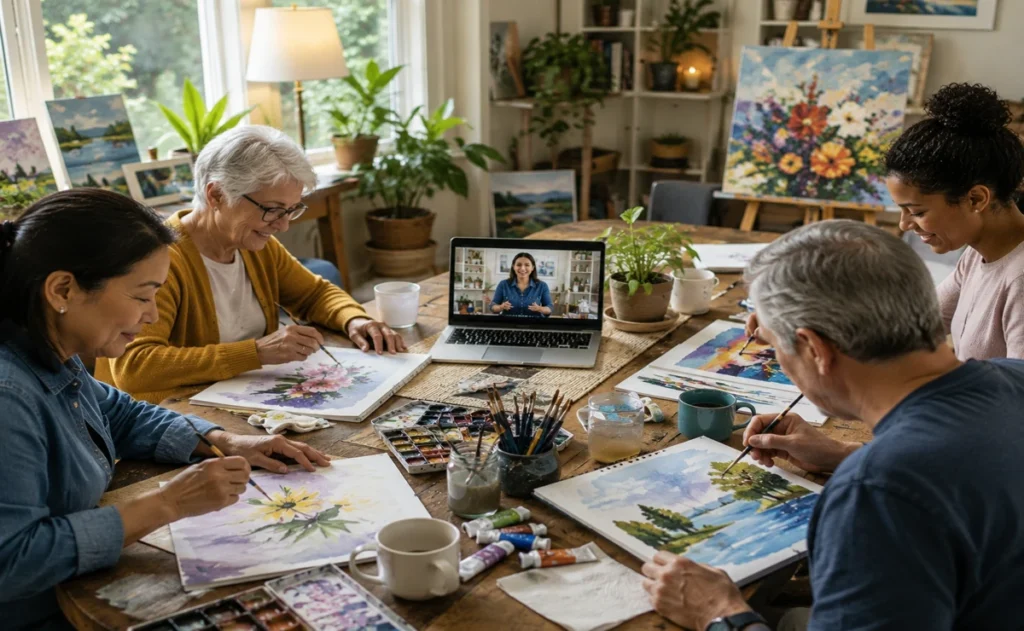
Creative hobbies keep the brain engaged in ways that passive activities simply don’t. And the benefits show up at every age. You don’t need a dedicated studio or a full curriculum to get started.
Take a look at how creative learning plays out across different stages of life:
- Build Stronger Observation Skills: Arts education sharpens how children notice and process the world around them. That directly feeds into better reading comprehension and scientific inquiry across all the subjects they study.
- Your Brain Fights Back with Age: Creative activities help slow cognitive decline by keeping your brain active and adaptable.
- Learning Never Has a Finish Line: Platforms like The Heart Project give adults across the US access to structured art workshops and courses from home. The further you go on your creative journey, the more patience, persistence, and creative thinking you build.
In fact, art keeps the brain curious, and a curious brain never stops growing. These benefits aren’t reserved for students only. As mentioned earlier, adults returning to creativity experience the same benefits as children picking up a paintbrush for the first time.
Start Creating: Your Brain Will Thank You
Art education adds value combined with grades and career success. Creative hobbies build real skills, reduce stress, and keep the brain sharp across every stage of life. The research on this is strong.
People generally wait for the right time to start something innovative. But there’s no right time. The best moment is the one when you decide to start and experience meaningful cognitive benefits from creative practice.
The Heart Project offers online workshops built for beginners and adults returning to their artistic lives. If you’re ready to explore what art can do for your understanding of yourself and the world, start here.
Frequently Asked Questions
Creative learning often raises practical questions, especially for parents, students, and educators. Here are quick answers to some of the most common ones.
Does Arts Education Really Support Academic Success?
Yes, students in arts-rich schools likely score better in math and writing compared to peers in schools without a strong arts program. Even researchers recognize that creative skills like problem-solving and critical thinking directly support stronger academic performance across every subject.
How Do Creative Hobbies Help Children Develop?
Creative hobbies give children a low-pressure environment to explore new ideas, build patience, and develop focus. Art also builds empathy, as students learn to reflect on different perspectives and express emotions they might struggle to put into words. These are skills that lead to stronger social development and better collaboration with others.
What Resources Do I Need to Start?
Not many. Most people start their creative journey with basic tools like a sketchbook and a set of pencils. Online platforms like The Heart Project offer structured courses and workshops that give beginners the support, examples, and resources they need to grow. Artists at every level find that starting simple is always the most successful approach.
Leave a Reply