You were creative once. Drawing worlds on paper and building stories from nothing at all. That version of you didn’t worry about being good enough or wonder if creativity was practical. You just made art because it felt natural. Then adulthood happened, and suddenly making art felt like something only “talented people” could do (we’ve all been there).
Here’s the truth nobody tells you: your creativity didn’t vanish, it just went into hiding. The fear you feel around art isn’t permanent. Thousands of adults are rediscovering their creative confidence and loving every minute of it. This article explores exactly why creative confidence fades and how art brings it roaring back.
We’ll look at the moments when creativity gets buried under expectations and daily life routines. You’ll discover why your brain still holds creative potential and how art classes unlock it again. Plus, we’ll cover practical ways to start your creative journey without needing anyone’s permission.
Without delaying, let’s dive in.
What Happens When Creative Confidence Disappears?
Creative confidence disappears when you start believing there’s only one right way to make art. And here’s the thing: adults stop trusting their creative instincts after years of being told there’s a “right way” to do everything. Fear of judgment becomes the default response when someone suggests trying something artistic or new (it’s more common than you think).
Creative confidence fades gradually through:
- School critiques that sting for years
- Workplace cultures that reward logic over imagination
- Comparing your sketches to professional artists
- Family comments about “practical career choices.”
- Social media highlights everyone else’s polished work
Children don’t second-guess every creative choice they make. They just create. But somewhere between childhood and adulthood, we’re taught to forget that freedom. The creativity doesn’t leave. You just stop trusting it. That loss of confidence affects how you see yourself and whether you even try picking up a paintbrush or sketchbook anymore.
Creative Potential: Why It Never Actually Leaves
Your brain holds the same creative wiring at 45 as it did at 15. The truth is, research shows the brain retains creative capacity throughout life. It just needs reactivation through practice.
Creativity isn’t a talent you lose. It’s a skill that weakens when unused, like a muscle. Adults often surprise themselves with what they create once they permit themselves to try. At the end of the day, your creative potential never actually disappeared.
Let’s break down why this happens and what it means for you.
The Brain Doesn’t Unlearn Creativity
The best part about your brain’s creative capacity is it never truly vanishes. Neuroplasticity allows adults to rebuild creative neural pathways even after decades of not using them. The thing is, children and adults use the same brain regions for creative thinking. The only difference? Confidence levels.
Brain plasticity studies show the brain stays flexible throughout life. So when you start creating again, creative exercises trigger the same dopamine responses in your brain as they did in childhood. Your brain still recognizes creativity and rewards you for it with the same chemical rush it always did.
It Just Gets Buried Under Routine
Routine buries creativity by putting your brain in efficiency mode instead of exploration mode. Daily responsibilities put your brain on autopilot. And when that happens, there’s little room left for creative exploration or playful experimentation.
Here’s the good news: breaking routine with art activities signals the brain to switch into exploratory mode again. When you explore new creative ideas, your brain starts building fresh neural connections. It’s like waking up a part of yourself that’s been asleep for years.
How Art Classes Rebuild What Was Lost
What if rebuilding creative confidence was less about talent and more about having the right environment? Structured lessons remove the “blank canvas paralysis” by giving adults clear starting points and techniques. You don’t have to figure everything out alone.
Want to know the best part? Group settings normalize mistakes and show everyone struggles with the same creative blocks and fears. When you see someone else wrestling with perspective or color mixing, it reminds you that learning art is a process. Regular practice builds momentum, making creative confidence feel natural instead of fake.

If you’re ready to start, have a look at our courses that offer practical exercises at your own pace. Art classes work nicely because they give you structure, community, and new perspectives all at once. They take the guesswork out and replace it with actual skills you can build on.
Let’s talk about why the environment matters so much.
Safe Spaces Make the Difference
Safe creative spaces remove the pressure to be perfect from day one. In our experience working with creative students, instructors who emphasize process over perfection help adults unlearn the fear of making bad art. The focus shifts from “is this good enough?” to “what am I learning right now?”
Seeing classmates at similar skill levels reduces the pressure to produce gallery-worthy work immediately. You realize everyone’s on their own creative journey, fumbling through the same challenges. Non-competitive environments let adults focus on personal growth instead of constantly comparing themselves to others.
Our talented artists and instructors create spaces where mistakes become teaching moments. That’s when real education happens. Fun projects and small wins in classes help you remember why you wanted to create in the first place. Higher education in art doesn’t have to feel intimidating when taught this way.
David Kelley and Tom Kelley’s Take on Getting It Back
The Kelley brothers spent decades studying why adults lose creative confidence and how to get it back. David Kelley founded IDEO and Stanford’s d.school, where he developed design thinking methods focused on human-centered problem solving. His brother, Tom Kelley, joined him to document their findings in a thought-provoking and compelling book about creativity.
Their creative confidence research at Stanford really hit the nail on the head. Adults need small creative wins to rebuild belief in their abilities. The Kelley brothers discovered that the innovation process works when you start tiny. One successful sketch. One finished project. One new idea that actually works.
Design thinking became their framework for helping people rediscover creativity through human-centered approaches. The reason it works? It breaks problem-solving into manageable steps instead of expecting brilliance right away. Tom Kelley’s writing emphasizes that creativity is a learned behavior, not an inherited talent or a genetic gift.
Fun fact: David Kelley designed the first mouse for Apple back in the day. That’s the kind of creative confidence he’s talking about. Taking ideas from concept to reality through inspiration and action.
Your Creative Journey Doesn’t Need Permission
How many times have you waited for the “right moment” to start making art? Look, we get it. Many adults wait for the perfect time or ideal circumstances before exploring art seriously. They think they need more free time, better supplies, or some magical burst of motivation before they can begin.
Here’s the reality: creative confidence grows through action, not planning. Starting imperfectly beats waiting for readiness every single time. Your creative journey belongs to you alone and doesn’t require validation from family or friends.
The biggest challenge isn’t talent. It’s permitting yourself to be a beginner again. When you begin creating at your own pace, something shifts. You stop worrying about what others think and start focusing on what brings you joy in life.
Let’s look at how small steps make this easier.
Starting Small Actually Works
Starting small means you build confidence without overwhelming yourself or triggering perfectionist panic. Five-minute sketching sessions build habit without overwhelming your schedule or triggering perfectionist anxiety (sounds tedious, we know).
But here’s what happens: choosing one medium initially prevents decision fatigue and helps you develop actual skills faster. You’re not juggling ten different creative ideas at once. You’re focusing on one thing and getting better at it. Small wins add up over weeks, showing real progress that keeps you coming back.
Online classes let you practice at your own pace without the pressure of keeping up with others. These creative projects don’t need to be ambitious. Start with simple exercises that teach you the basics. That momentum builds creativity naturally and gives you the motivation to tackle bigger challenges later.
What Your Favorite Book Says About You
The stories you love reveal creative patterns you might not consciously recognize yet. Your favorite book choices say something about how your creativity works. Story structure preferences often mirror how you naturally approach creative problems and artistic challenges. Some people love linear narratives that build steadily. Others prefer stories that jump around and connect ideas in unexpected ways.
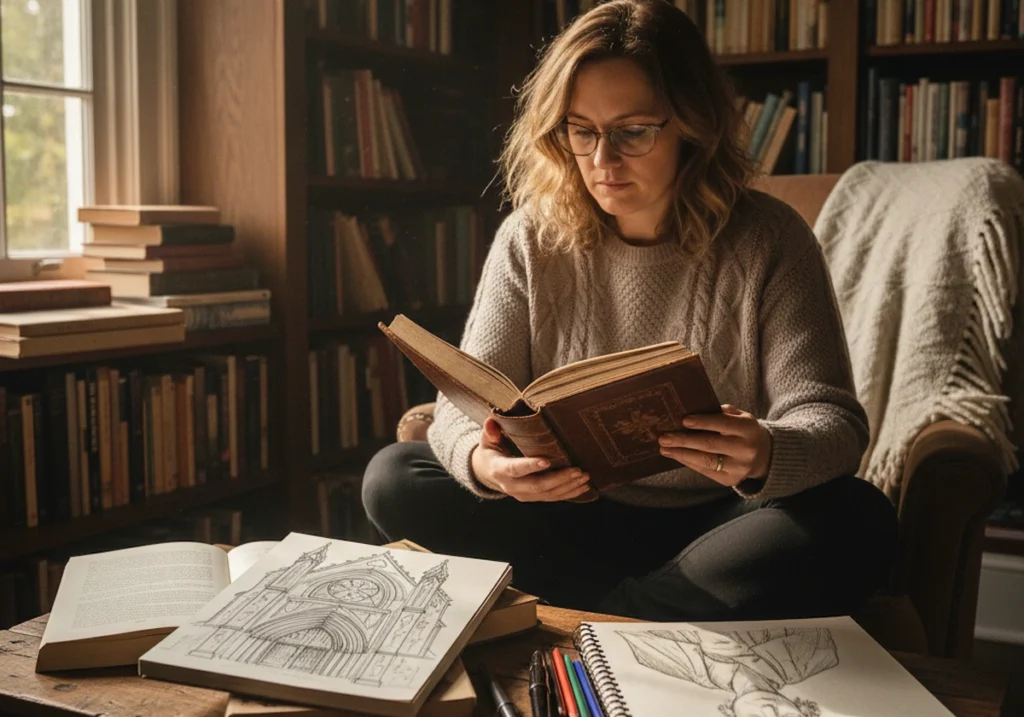
The same thing happens with your creative process. If your favorite book has intricate world-building, you probably enjoy projects where you can develop layers of detail. Character-driven stories? You might express creativity best through understanding people and emotions in your art.
Favorite characters reflect qualities you want to express through your own creative work eventually. The passions that draw you to certain stories are already inside you. They’re just waiting for the right creative outlet. What you naturally gravitate toward in reading reveals the kind of art you’re meant to create.
Here’s What Happens Next
Your creative confidence won’t rebuild overnight, but each art session chips away at old doubts. After years of watching people rediscover their creativity, we’ve seen how small steps lead to big transformations. The joy comes back faster than you’d think.
Start with one class or workshop that genuinely interests you rather than what seems most impressive. Practice here and there at your own pace without pressure. Creative classes offer the education and fun you need to begin your creative journey with confidence. New ideas start flowing when you permit yourself to explore the world of art again.
The creative person you used to be is still there, just waiting for you to pick up where you left off. Your creativity never left. It’s been waiting for this moment. If you’re ready for actionable advice and want inspiration for your next step, contact us soon, and let’s talk about which path feels right for your life.
Leave a Reply